A used jet ski for sale can be one of the best deals on the water. You avoid the steep early depreciation of a new ski, and you can often afford a bigger or better model for the same money. But a used ski is only a bargain if it is in good condition. A careful inspection is the difference between years of fun and an expensive repair bill.
This guide gives you a proven 15-point inspection checklist for any pre-owned jet ski. Take it with you when you view a ski, work through it step by step, and you will know whether to buy, negotiate or walk away.
Before you go: research and questions
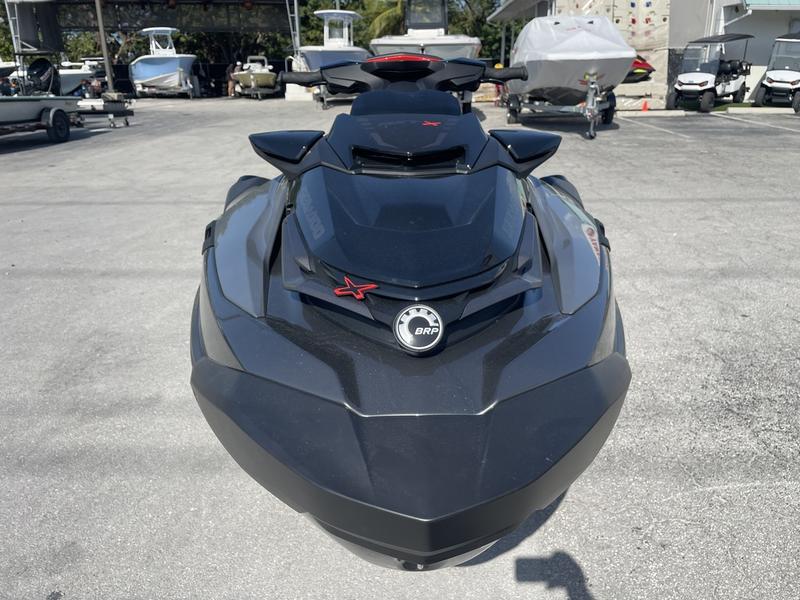
Good inspections start before you see the ski. Ask the seller for the make, model, year, engine hours, service history and photos of the hull and engine bay. Ask whether the ski has been used in salt water, whether it was flushed after rides and whether it has ever been in an accident.
Look up the model’s typical problems and recall history. Owner forums and the manufacturer’s website can tell you what to look out for. Then compare similar skis to understand what a fair price looks like.
The 15-point used jet ski inspection checklist
1. Check the paperwork and HIN
Find the hull identification number (HIN), usually on the rear of the hull. Make sure it matches the registration and the seller’s documents. A mismatch or missing paperwork is a serious red flag.
2. Walk around the hull
Look for cracks, deep gouges, soft spots and signs of repair. Pay special attention to the bottom near the intake grate, the ride plate and the keel, where damage from beaching or shallow water is common.
3. Check the deck and seat
Torn seats and faded panels are cosmetic, but they hint at how the ski was stored. Lift the seat and check that it latches securely.
4. Inspect the engine bay
Look for corrosion, rust, oil leaks, loose wires and signs of water damage. A clean, dry engine bay suggests a careful owner. Heavy corrosion suggests salt water use without proper flushing.
5. Check the oil
Pull the dipstick on four-stroke engines. The oil should be clean and at the correct level. Milky oil can mean water has entered the engine, which is a major warning sign.
6. Look at the pump and impeller
Look into the intake. The impeller blades should be smooth, not chipped or bent. Check the wear ring for gouges. Damage here reduces performance and costs money to fix.
7. Check the steering and controls
Turn the handlebars from lock to lock. The steering nozzle should move smoothly. Squeeze the throttle and brake levers and check that they return properly.
8. Test the electrics
Turn on the ski and check the display, gauges, warning lights, lights and any audio system. Ask about the battery’s age.
9. Start the engine
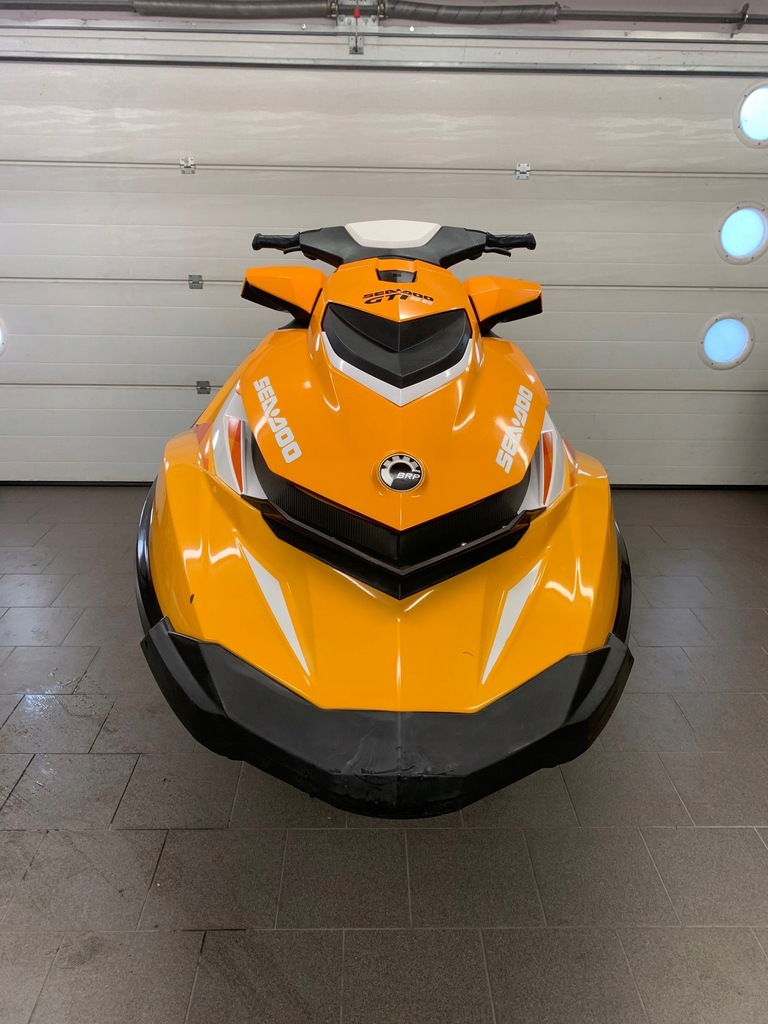
Ask the seller not to start the ski before you arrive, so you can hear a cold start. It should start easily and idle smoothly. Listen for knocks, rattles or misfires.
10. Check the cooling system
On a flushing hose or in the water, check that water flows from the telltale outlet. Lack of flow can point to a blocked cooling system.
11. Take a water test
A water test is the best way to judge a used PWC. Check acceleration, top speed, steering, brake and reverse, and any vibration or warning alarms.
12. Check for water in the hull
After the test ride, open the seat and look for water in the hull. A small amount can be normal, but a lot may indicate a leak.
13. Review the service history
Receipts and records show how the ski was maintained. Regular oil changes, winterization and dealer services are all good signs.
14. Inspect the trailer
If a trailer is included, check the tires, wheel bearings, lights, winch, straps and frame for rust. Make sure the trailer is registered if required.
15. Consider a professional inspection
For an expensive ski, a pre-purchase inspection by a marine mechanic is money well spent. They can check compression, scan for fault codes and spot issues you might miss.
Red flags when viewing a used jet ski for sale
Some problems are deal-breakers. If you see any of these while inspecting a used jet ski for sale, think very carefully before going ahead.
- The HIN is missing, damaged or does not match the paperwork.
- The seller refuses a cold start, a water test or a professional inspection.
- The oil looks milky or smells burnt.
- There is heavy corrosion in the engine bay.
- The hull shows fresh gel coat or paint over a repaired area with no explanation.
- The engine was already warm when you arrived.
- The price is far below similar skis with no clear reason.
- The seller pressures you to decide or pay a deposit quickly.
A genuine seller with a good ski will be happy to let you check it properly. If something does not feel right, walk away. There will always be another used jet ski for sale.
How engine hours affect value
Engine hours tell you how much a ski has been used, much like the mileage on a car. But hours alone do not tell the whole story. A ski with moderate hours and a full service history can be a better buy than a low-hours ski that sat unused for years without maintenance.
| Hours (four-stroke) | What it usually means | What to check |
|---|---|---|
| Very low | Lightly used, or stored for long periods | Signs of long storage: stale fuel, dried seals, weak battery |
| Low to moderate | Regular, healthy use | Service history and overall condition |
| Higher | Plenty of use | Major service records, compression, pump wear |
| Very high | Heavily used | Professional inspection strongly recommended |
Always ask what maintenance was done and when. Regular oil changes, flushing after salt water use and proper winter storage matter more than the exact number on the display.
Salt water vs. fresh water use
Salt water is tough on engines, cooling systems and metal parts. A pre-owned jet ski used in salt water is not necessarily a bad buy, but it must have been flushed and rinsed after every ride. Look for corrosion on the engine, exhaust parts, steering cables and trailer.
Skis used mainly in fresh water often show less corrosion, but they can still suffer from debris damage to the impeller and intake. Either way, the owner’s care routine matters more than the type of water.
Two-stroke vs. four-stroke used skis
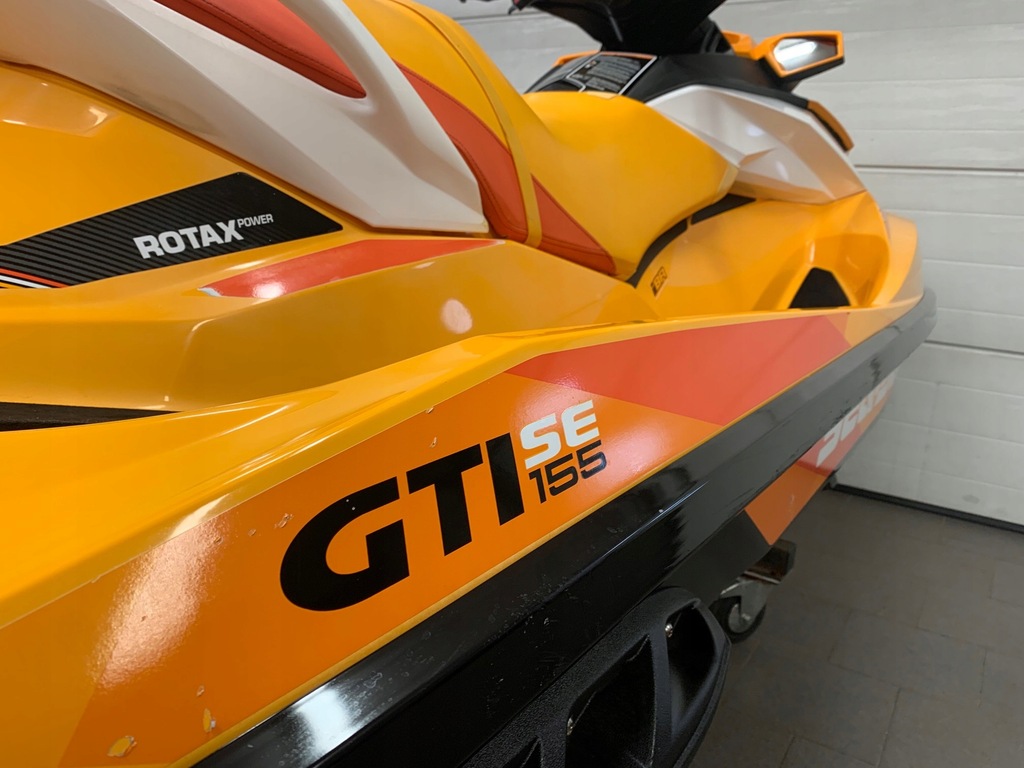
Older used skis may have two-stroke engines, while most modern skis use four-stroke engines. Two-strokes are simpler and lighter, but they use more fuel and need oil mixed into the fuel or injected. Four-strokes are quieter, cleaner and more economical, and they are what most buyers look for today.
If you consider an older two-stroke, a compression test is essential. Low or uneven compression readings point to engine wear.
Negotiating the price of a used jet ski
Your inspection gives you the facts you need to negotiate fairly. Note any issues, from a worn impeller to an old battery or torn seat. Get rough repair costs, and use them to support a lower offer.
- Compare the ski with at least three similar models.
- Be polite and specific about any problems you found.
- Ask whether a cover, life jackets or other extras can be included.
- Be ready to walk away if the price is not right.
For more negotiating tips, read our jetski price guide.
Where to find a used jet ski for sale
There are several places to look for a used jet ski for sale, and each has pros and cons.
Dealers and online stores
Dealers and established online stores often inspect and prepare their pre-owned jet ski stock before selling it. Prices may be a little higher, but you get clearer paperwork, honest listings and someone to contact if you have questions. At Hayling Jetsport, every used jet ski for sale is listed with photos, details and a clear price. Browse our pre-owned jet skis.
Private sellers
Private sellers can offer lower prices, especially at the end of the season. But you take on more risk, as most private sales are “as is.” Use the full checklist and consider a professional inspection.
Online marketplaces
Marketplaces list many skis, but quality varies widely. Be alert for scams, never pay before seeing the ski and always check the HIN against the paperwork.
Paperwork for a used PWC purchase in California
When you buy a used PWC in California, make sure you complete the right paperwork. You will need a signed bill of sale and the registration documents from the seller. The ski must be transferred into your name with the California DMV, and use tax may apply.
- A bill of sale with the buyer, seller, price, date and HIN.
- The current registration card and certificate of ownership.
- Any trailer paperwork, if a trailer is included.
- Service records and the owner’s manual, if available.
Do not take the ski on the water until it is registered to you and displays current numbers and stickers. You will also need a California Boater Card to operate it in most cases.
What to do right after buying a used jet ski
Once the used jet ski for sale becomes your ski, a few simple steps give you a known starting point and peace of mind.
- Change the oil and filter. Start fresh so you know exactly when it was last done.
- Replace the spark plugs. They are cheap and easy to replace.
- Check or replace the battery. Old batteries cause many failed starts.
- Inspect the impeller and wear ring. Replace worn parts before the season.
- Flush the cooling system. Clear out any salt or debris.
- Check safety gear. Buy new life jackets and a spare lanyard if needed.
- Arrange insurance. Get liability cover at minimum before your first ride.
If you are not confident doing this work yourself, book a service with a qualified marine mechanic. Read our guide on finding jet ski repair near me for tips on choosing a good one.
Used vs. new: is a pre-owned jet ski worth it?
A pre-owned jet ski is worth it if it has been well maintained and the price reflects its condition. You save money, avoid early depreciation and often get a better model for your budget. The trade-off is that you usually have less warranty protection and must inspect the ski carefully.
If you want the latest features and a full warranty, new may be better. If you want the most ski for your money, a carefully chosen used jet ski for sale is hard to beat. Compare both in our online shop.
Best used PWC models to look for
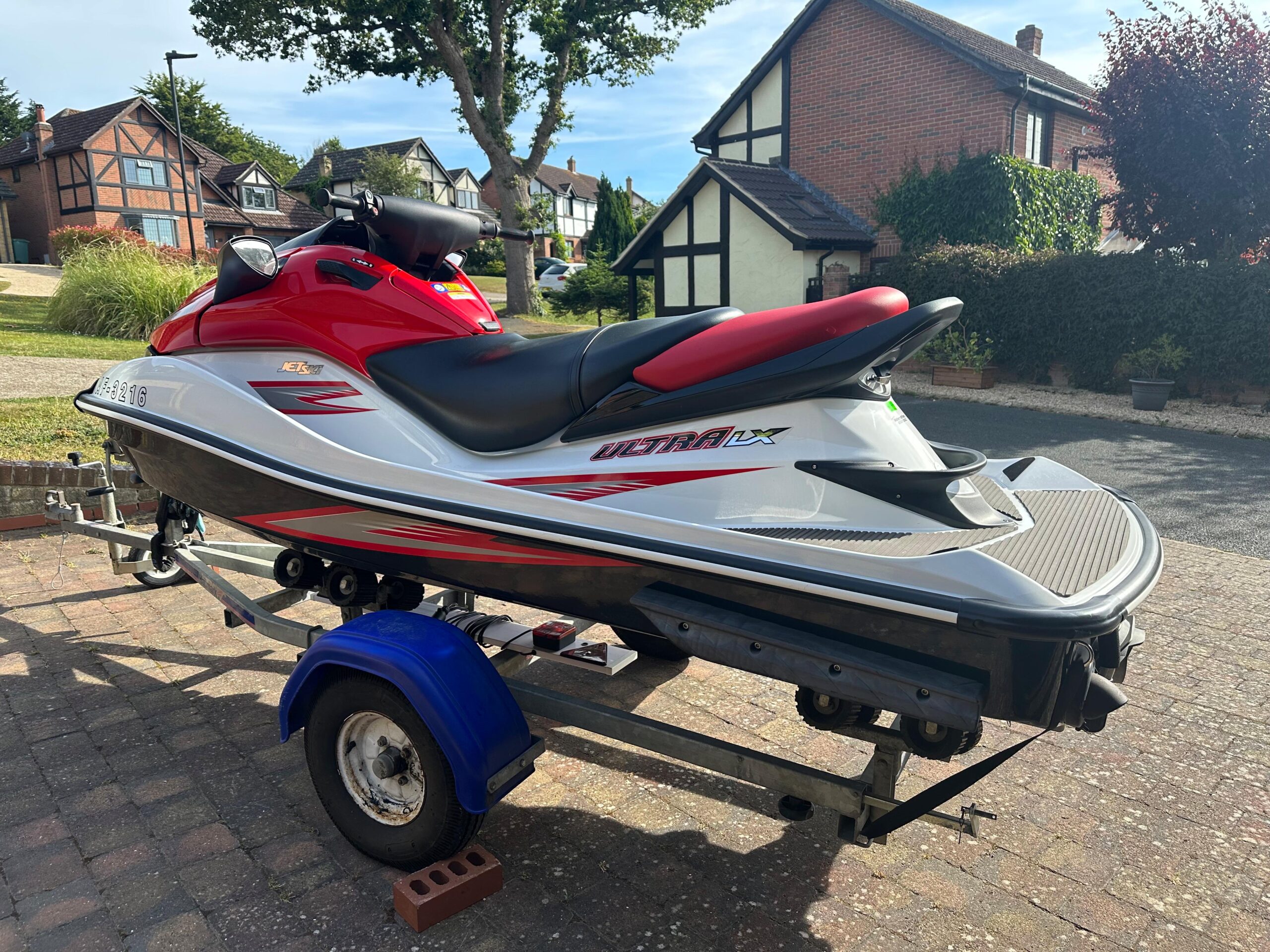
Some models have strong reputations on the used market. These are popular choices when you browse any used jet ski for sale, though condition always matters more than the badge.
- Sea-Doo Spark: affordable, light and plentiful on the used market.
- Sea-Doo GTI and GTX: comfortable, reliable touring skis with iBR on many models.
- Yamaha VX: known for reliability, economy and strong resale value.
- Yamaha FX: premium touring with a smooth ride in chop.
- Kawasaki STX: spacious and strong, often at good used prices.
Read our guide to the best used jet skis for more detail on which models make the smartest buys.
Inspecting a used PWC in person: a practical routine
It helps to follow the same routine every time you view a ski. Start with the paperwork, then work from the outside in: hull, deck, seat, engine bay, pump and steering. Next, check the electrics and do a cold start. Finally, take the water test and check the hull for water afterward.
Bring a flashlight, a rag, a notepad and your phone for photos. A flashlight helps you see into the engine bay and intake, and the rag lets you check the oil and wipe away dirt to look for cracks. Photograph anything that concerns you, so you can review it later or show a mechanic.
If you bring a friend who knows skis, ask them to watch the engine and exhaust while you test the controls. Two sets of eyes catch more than one, and a second opinion helps you stay objective when you are excited about a ski.
Understanding “as is” sales
Most private sales of a used jet ski for sale are “as is,” which means the seller is not responsible for problems you find after the sale. That makes your inspection even more important. Dealers may offer limited warranties or inspection reports on some pre-owned stock, so ask what is included and get it in writing.
Budgeting for the first season
Even a great used ski may need some attention in its first season. Set aside a small fund for an oil service, spark plugs, a battery and perhaps an impeller or wear ring. Add the cost of registration transfer, insurance and new life jackets. Having this budget ready means a few small surprises will not spoil your summer, and your pre-owned jet ski will be ready to enjoy for years to come.
Treat this fund as part of the purchase price when you compare skis. A slightly more expensive ski that needs nothing can work out cheaper than a bargain that needs a long list of parts before it is ready to ride.
Keep every receipt from these first jobs too. They become part of the ski’s history and add value when you eventually sell it on.
Used jet ski for sale: frequently asked questions
How much should I pay for a used jet ski?
Compare several similar models of the same year and hours, then adjust for condition and extras. A full service history and a good trailer justify a higher price.
Is it safe to buy a used jet ski without a test ride?
It is risky. A water test reveals problems you cannot see on land. If a test ride is not possible, insist on a professional inspection.
What is the most common problem on a used PWC?
Common issues include worn impellers, tired batteries, corrosion from salt water and engines that have not been serviced regularly.
Can I get financing for a used jet ski?
Many lenders finance late-model used skis. Compare rates and terms, and make sure the ski passes inspection before you sign.
Should I buy a used jet ski with a trailer?
If you need a trailer, buying one with the ski is usually good value. Inspect it as carefully as the ski itself.
Find your next pre-owned jet ski
With this checklist in hand, you are ready to inspect any used jet ski for sale with confidence. Take your time, check every point and do not be afraid to walk away from a ski that does not feel right.
At Hayling Jetsport in San Francisco, you can browse pre-owned jet skis for sale with real photos and clear prices, along with new models, trailers and accessories. Email sale@haylingjetsport.org with any questions about a listing.
Leave a Reply