The electric jet ski is one of the most talked-about developments in personal watercraft. Instead of a gas engine, it uses a battery and electric motor to drive a jet pump. The result is a ski that is quieter, produces no exhaust on the water and needs far less routine engine maintenance. But electric jet skis also come with real trade-offs, especially around range, charging and price.
In this guide, we explain how an electric PWC works, compare it with gas-powered skis, list seven key pros and cons and help you decide whether an electric model makes sense for you today.
How does an electric jet ski work?
A traditional jet ski uses a gas engine to spin an impeller inside a jet pump. The impeller pulls water in through the intake and pushes it out through a nozzle at the back, driving the ski forward. An electric jet ski uses the same jet pump principle, but the impeller is driven by an electric motor powered by a large lithium-ion battery pack.
Instead of a fuel tank, you have a battery. Instead of filling up at a gas dock, you charge it, usually from a dedicated charger at home or at a marina. The controls feel familiar, but the ride is much quieter, and power is delivered instantly when you squeeze the throttle.
Electric jet skis on the market
The electric PWC market is still young. A small number of newer brands have launched electric skis, and established manufacturers continue to develop electric watercraft of different kinds. Availability, prices and specifications are changing quickly, and some early companies have faced financial challenges. Before you buy, check the brand’s current status, warranty support and service network.
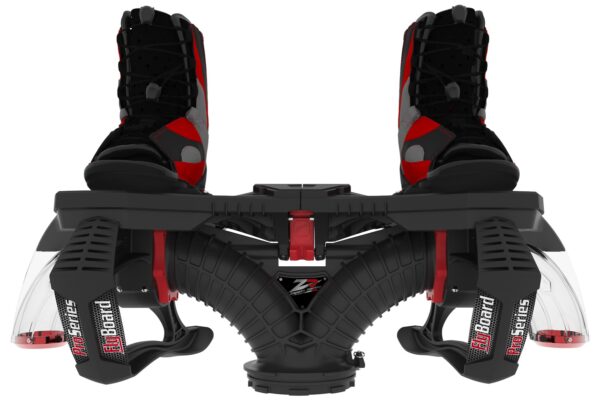
At the same time, electric technology is spreading across the wider watersports world, from electric hydrofoil boards to battery-powered water toys. Hayling Jetsport stocks a range of e-watercraft and accessories, including FlyRide products, so check our shop for the latest options.
7 pros and cons of an electric jet ski
Pro 1: Very quiet
Without a combustion engine, an electric jet ski is dramatically quieter. You hear the water and the pump rather than engine noise, which makes for a calmer ride and less disturbance for people and wildlife.
Pro 2: Zero exhaust on the water
Electric skis produce no exhaust while riding. That means no fumes for riders and passengers, and no fuel or oil to spill. You can learn more about reducing emissions from recreational vehicles on the EPA website.
Pro 3: Less engine maintenance
There are no oil changes, spark plugs, fuel filters or exhaust systems to service. Routine care focuses on the battery, motor, pump and hull, which can mean lower maintenance costs over time.
Pro 4: Instant torque
Electric motors deliver strong torque instantly, giving quick, smooth acceleration from low speed.
Con 1: Limited range
Battery range is the biggest limitation. Riding hard drains the battery quickly, and range on an electric PWC is generally much shorter than a full tank on a gas ski. That makes long trips and far offshore riding more challenging.
Con 2: Charging time
Filling a gas tank takes minutes. Charging a large battery takes far longer, often hours, depending on the charger. You need access to suitable power where you store or launch the ski.
Con 3: Higher purchase price
Electric jet skis typically cost more up front than similar gas-powered recreation skis. Lower running costs can offset some of this over time, but the initial price is a big hurdle for many buyers.
Electric vs. gas jet skis compared
| Electric | Gas | |
|---|---|---|
| Noise | Very quiet | Louder |
| Exhaust on the water | None | Yes |
| Range | Shorter | Longer |
| Refueling or recharging | Hours to charge | Minutes to refuel |
| Routine engine service | Minimal | Oil, plugs, filters |
| Purchase price | Higher | Lower for similar size |
| Model choice | Very limited | Very wide |
| Resale market | Still developing | Well established |
For most riders today, a gas-powered ski still offers more choice, more range and a lower purchase price. An electric model makes the most sense for riders who value quiet, short rides close to home and lower routine maintenance, and who have easy access to charging.
Who should consider an electric jet ski?
- Riders on lakes or waterways with noise or emission restrictions.
- Owners who ride for short sessions close to their launch point.
- Lakefront homeowners with power available at the dock.
- Riders who want a quieter, calmer experience on the water.
- Early adopters who enjoy new technology and understand the risks.
If you regularly ride long distances, tow, fish offshore or travel to remote launch spots without power, a gas ski is still the more practical choice.
Understanding range and battery life
Range on any battery-powered watercraft depends on speed, rider weight, water conditions and temperature. Riding at full throttle drains the battery far faster than cruising. Cold water and air can also reduce battery performance. Manufacturers publish estimated ride times, but real-world range is often lower when you ride hard.
Battery life over the years is another consideration. Lithium-ion batteries gradually lose capacity with age and charge cycles. Ask about the battery warranty, how capacity loss is covered and what a replacement battery would cost. These factors affect long-term ownership costs and resale value.
Charging an electric PWC
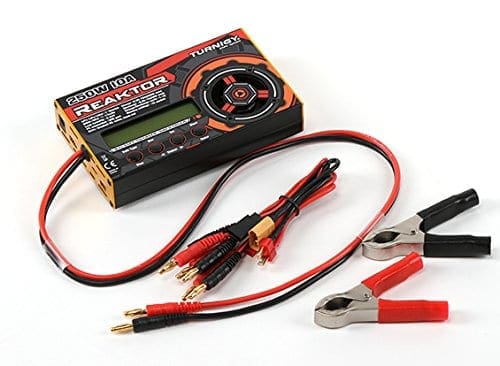
Charging options vary by model. Some can charge from a standard outlet slowly, while faster charging requires a higher-power charger and a suitable electrical supply. Plan where you will charge: at home in a garage, at a dock with shore power or at a marina that offers charging.
- Check the charger type and power requirements before you buy.
- Have a qualified electrician confirm your home supply can handle it.
- Never charge near water or in wet conditions unless the equipment is rated for it.
- Follow the manufacturer’s storage and charging guidance for long breaks.
Maintenance on electric jet skis
While there is less engine maintenance, electric jet skis still need care. The jet pump and impeller can be damaged by debris, just like on a gas ski. The hull needs inspection, and electrical connections must stay clean and dry.
- Rinse the ski with fresh water after every ride, especially in salt water.
- Inspect the intake and impeller for debris and damage.
- Keep the battery within the recommended charge range during storage.
- Check connectors and seals for corrosion or damage.
- Follow the manufacturer’s service schedule for the motor and electronics.
Because electric PWCs are newer, fewer service centers are experienced with them. Find out where your nearest qualified service center is before you buy.
Rules and registration for electric watercraft
In general, an electric personal watercraft is treated much like any other motorized vessel. In California, motorized vessels must be registered with the California DMV, operators of PWCs must be at least 16 and most operators need a California Boater Card. Life jacket and safety lanyard rules apply too.
Some lakes and reservoirs restrict gas-powered craft for environmental or noise reasons. In certain places, electric watercraft may be allowed where gas craft are not, but rules vary widely. Always check with the local authority before you ride.
The cost of owning an electric jet ski
When you compare costs, look at the full picture over several years rather than the purchase price alone.
| Cost area | Electric | Gas |
|---|---|---|
| Purchase price | Higher | Lower |
| Energy | Electricity, usually cheaper per ride | Gasoline |
| Routine servicing | Lower | Higher |
| Battery replacement | Possible major cost in the long term | Not applicable |
| Insurance | Depends on value and insurer | Depends on value and insurer |
| Resale value | Uncertain while the market develops | Well understood |
For riders who use their ski often for short trips, lower energy and servicing costs help. For occasional riders, the higher purchase price may never be recovered. Ask insurers for quotes, as some have limited experience with electric models.
Alternatives if you want quieter, greener riding
If an electric jet ski is not practical for you yet, there are other ways to reduce noise and fuel use on the water.
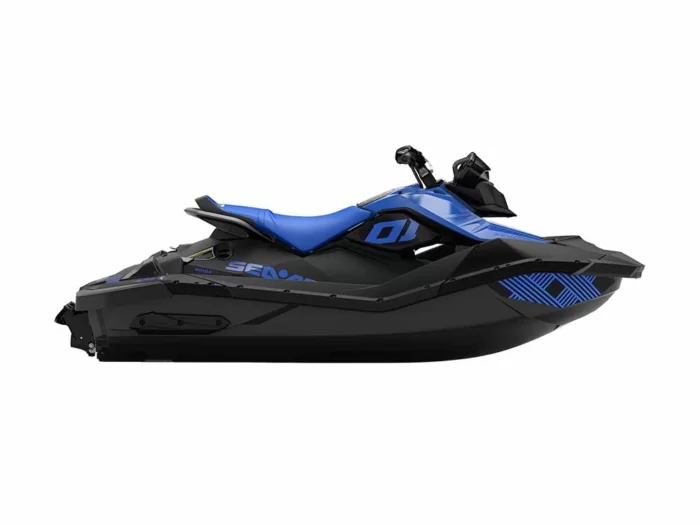
- Choose an efficient gas ski with a smaller engine, such as the Sea-Doo Spark or Yamaha EX.
- Use eco modes and cruise at moderate speeds to cut fuel use.
- Maintain your ski well, as a healthy engine runs cleaner and more efficiently.
- Try electric watersports gear, such as e-foils and powered boards.
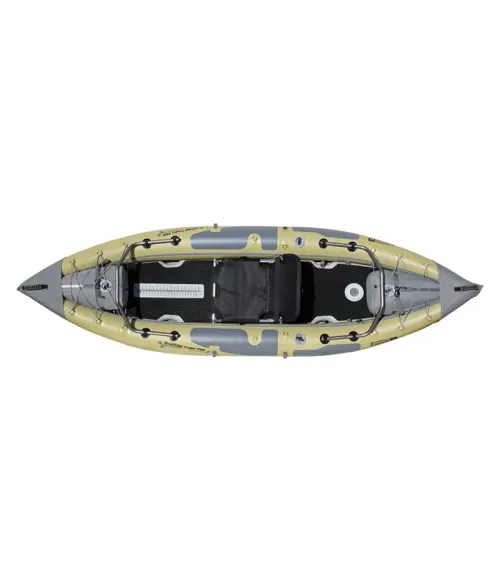
- Mix in human-powered fun with paddle boards for quiet days on the water.
The future of electric jet skis
Battery technology keeps improving, with gains in energy density, charging speed and cost. As batteries get lighter and cheaper, electric jet skis are likely to offer longer range and lower prices. Charging infrastructure at marinas is also expanding in some areas.
For now, electric PWCs are a niche choice. Gas-powered skis remain the practical option for most riders, especially for long rides, towing and fishing. Keep an eye on the market, though. The next few years could bring big changes.
Questions to ask before buying any battery-powered watercraft
Because the market is new, it pays to ask more questions than you would for a traditional ski. Good answers will give you confidence, while vague ones are a warning sign.
- What is the real-world ride time at cruising speed and at full throttle?
- How long does a full charge take with each charger option?
- What warranty covers the battery, and for how long?
- What happens if the battery capacity drops significantly?
- Where is the nearest authorized service center?
- Are spare parts readily available?
- How should the battery be stored over winter?
- What is the total weight, and can my vehicle tow it?
Write the answers down and compare them across brands. The cheapest model is not always the best value if support and parts are hard to find.
Riding tips for battery-powered skis
Riding style has a big effect on range. Smooth acceleration, moderate cruising speeds and avoiding repeated full-throttle runs all stretch the battery further. Plan your route so you can return with a healthy reserve, especially if conditions might change.
Keep an eye on the battery display and treat it like a fuel gauge with a cautious margin. In cold weather or rough water, range can drop faster than expected. Riding with a friend on a second craft is a smart safety measure while you learn how your ski behaves.
Environmental considerations
Electric watercraft remove exhaust and fuel spills from the water, and they cut noise dramatically. The overall environmental impact also depends on how the electricity is generated and how the battery is produced and recycled. Choosing a reputable brand with clear battery recycling plans is part of owning responsibly.
Whatever you ride, you can protect the water by avoiding sensitive habitats, keeping clear of wildlife, cleaning your hull to prevent the spread of invasive species and following local rules on where watercraft may go.
Comparing electric skis with e-foils and other electric toys
If your main interest is quiet, emission-free fun, an electric jet ski is not the only option. Electric hydrofoil boards glide silently above the water and are popular with riders who want a new challenge. Electric-assisted boards and water toys offer gentler fun for families. Each option has different skills, costs and storage needs, so think about how you want to spend your time on the water.
Storing and transporting a battery-powered ski
Storage needs differ slightly from gas skis. Batteries prefer moderate temperatures, so avoid leaving the ski in extreme heat or freezing conditions for long periods. Many manufacturers recommend storing the battery at a partial charge rather than full or empty, and checking it every few weeks during long breaks.
For transport, check the total weight with the battery installed and make sure your trailer and vehicle are rated for it. Secure the ski with proper straps, protect electrical connectors from road spray and follow any guidance on removing or isolating the battery during transport.
At home, keep the charger and cables tidy, dry and off the floor. A wall-mounted charger station in a garage is a neat, safe solution, and it makes plugging in after each ride a simple habit.
Insurance and warranty tips
Because battery-powered craft are newer, insurers may treat them differently. Shop around, explain exactly what you are insuring and ask whether the battery is covered for accidental damage. Keep copies of the warranty and all service records, and register the product with the manufacturer so you receive updates and recall notices.
It is also worth asking the manufacturer about software updates. Many modern electric craft receive updates that improve range, power delivery or diagnostics, and knowing how those updates are delivered helps you keep the ski performing at its best for years. Ask whether updates are free, whether they require a dealer visit and how long the brand commits to supporting older models.
Finally, talk to current owners if you can. Online groups and local riding clubs are full of people happy to share their real-world experience with range, reliability and support.
Electric jet ski FAQs
How long does an electric jet ski battery last per charge?
It depends on the model, speed and conditions. Riding hard reduces range significantly. Check the manufacturer’s estimates and expect real-world range to vary.
Are electric jet skis as fast as gas skis?
Some electric models offer quick acceleration thanks to instant torque, but top speed and sustained high-speed riding are limited by battery capacity.
Can I ride an electric jet ski in salt water?
Many are designed for salt water, but always check the manufacturer’s guidance and rinse the ski thoroughly after use.
Do electric jet skis need registration?
Yes. In California, motorized vessels, including electric PWCs, generally require registration.
Are electric jet skis worth it?
For quiet, short-range riding with easy charging, they can be. For most riders, a modern, efficient gas ski still offers more range, choice and value today.
Making the right choice
Choosing between electric and gas comes down to how, where and how often you ride. Start by listing your typical rides. How long are they? How far from your launch do you go? Do you carry passengers, tow or fish? Do you have power where you store the ski? Your answers will quickly show whether a battery-powered model fits your life today.
If most of your rides are short, close to home and on quiet water, and you can charge easily, an electric model could be a great fit. If you ride long distances, explore remote areas or need to refuel quickly between sessions, a modern gas ski will serve you better for now. Many riders are choosing efficient gas skis today while keeping a close watch on new electric models for the future.
Shop gas and electric watercraft at Hayling Jetsport
At Hayling Jetsport in San Francisco, we stock a wide range of gas-powered skis from Sea-Doo, Yamaha and Kawasaki, along with FlyRide products and other watersports accessories. Browse Sea-Doo jet skis, compare efficient recreation models and get advice on the best option for your riding.
Have questions about range, charging or which model suits you? Email sale@haylingjetsport.org and we will help you weigh up the options honestly, whether you choose electric, gas or something in between.
Whatever you choose, ride safely, respect the water and enjoy every moment out there. Technology will keep changing, but the joy of a calm morning on the Bay never does.
Leave a Reply