When your ski will not start, loses power or starts making strange noises, the first thing most owners do is search for jet ski repair near me. A good local mechanic can diagnose the problem quickly, fix it properly and get you back on the water. A poor one can cost you time, money and part of your riding season.
This guide explains how to find trustworthy jet ski repair in your area, what common repairs cost, what you can check yourself first and ten proven tips for choosing the right shop. We focus on the San Francisco Bay Area, but the advice works anywhere.
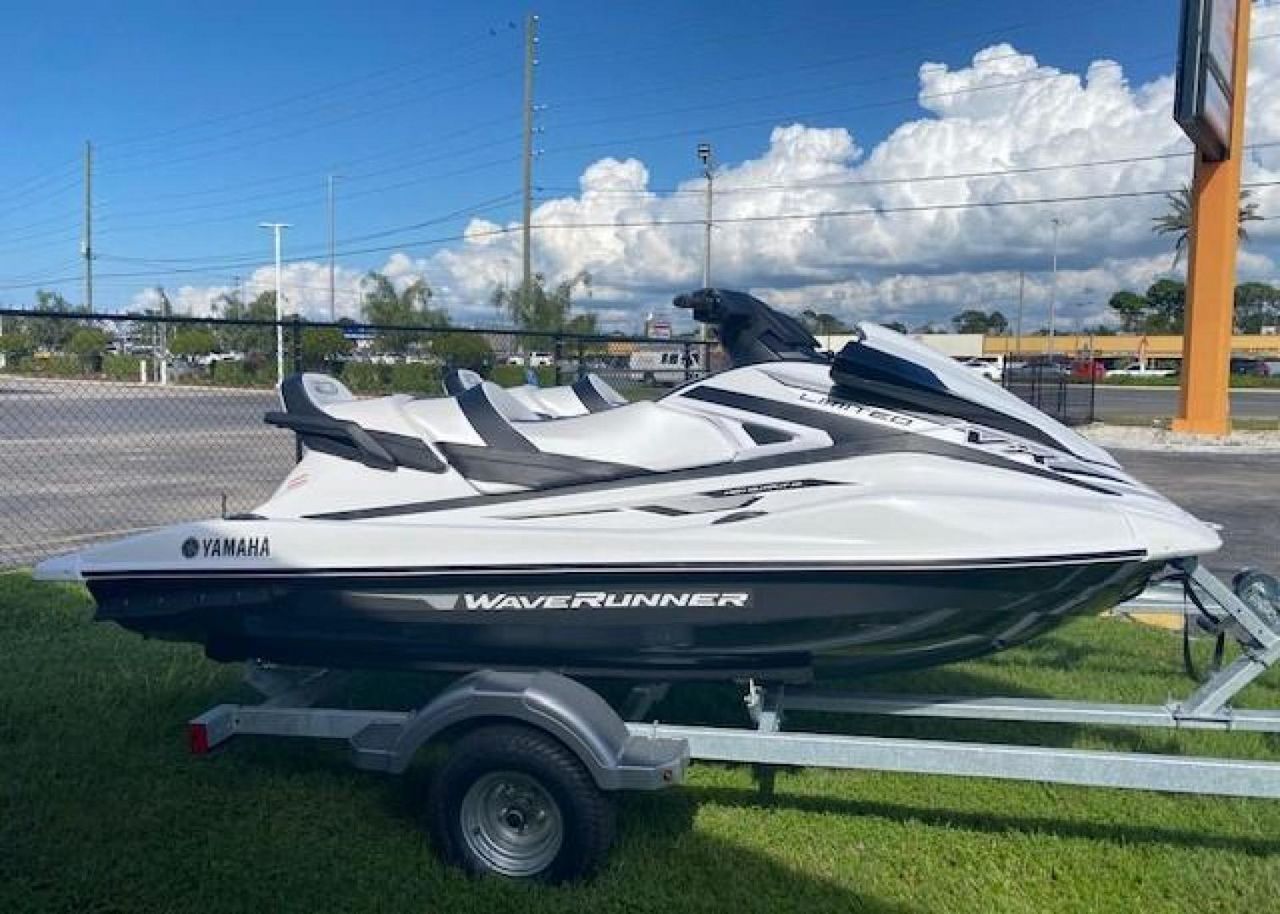
Where to find jet ski repair near me
Authorized dealers
Brand dealers have factory-trained technicians, diagnostic software and access to OEM parts. They are the best choice for warranty work, complex electrical problems and newer skis.
Independent marine mechanics
Independent shops often offer competitive prices and broad experience across brands. Many specialize in personal watercraft and can handle everything from routine servicing to engine rebuilds.
Mobile PWC mechanics
Mobile mechanics come to your home, dock or marina. They are convenient for routine servicing, winterization and simple repairs, though major work may still need a workshop.
Marinas and boatyards
Some marinas and boatyards offer PWC servicing. This is convenient if you keep your ski there.
10 proven tips to find the best jet ski repair
- Search with your location: try “jet ski repair near me San Francisco” or the name of your town or lake.
- Read recent reviews: look for comments on communication, turnaround times and honesty.
- Check experience with your brand: ask if they regularly work on Sea-Doo, Yamaha or Kawasaki skis.
- Ask about diagnostic tools: modern skis need brand-specific software to read fault codes.
- Confirm warranty status: if your ski is under warranty, use an authorized dealer for covered repairs.
- Get a written estimate: ask for parts and labor costs before work begins.
- Ask about turnaround times: spring is the busiest season, so book early.
- Check parts sourcing: ask whether they use OEM or aftermarket parts.
- Ask about guarantees: good shops stand behind their work.
- Trust your instincts: clear communication and transparency are good signs.
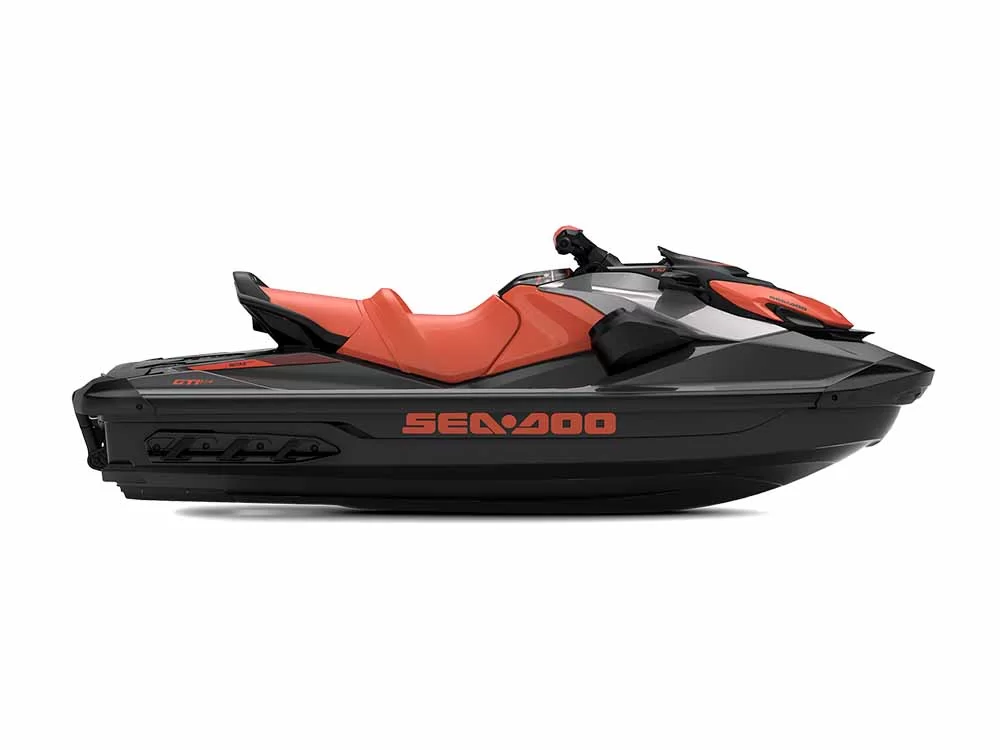
Common jet ski repairs
| Problem | Likely cause | Typical fix |
|---|---|---|
| Won’t start | Weak battery, lanyard, fuel or electrical issue | Charge or replace battery, diagnose electrics |
| Loss of power or top speed | Damaged impeller or worn wear ring | Replace impeller and/or wear ring |
| Engine revs but ski is slow | Cavitation from intake blockage or wear | Clear intake, replace worn parts |
| Overheating alarm | Blocked cooling system | Flush and clear cooling passages |
| Water in the hull | Seal, drain plug or hull damage | Replace seals, repair hull |
| Rough running | Spark plugs, fuel issues, sensors | Replace plugs, diagnose fuel and sensors |
| Warning lights | Sensor or system fault | Read fault codes with diagnostic tools |
Many problems are caused by skipped maintenance, debris in the pump or salt water corrosion. Regular servicing prevents a lot of repairs.
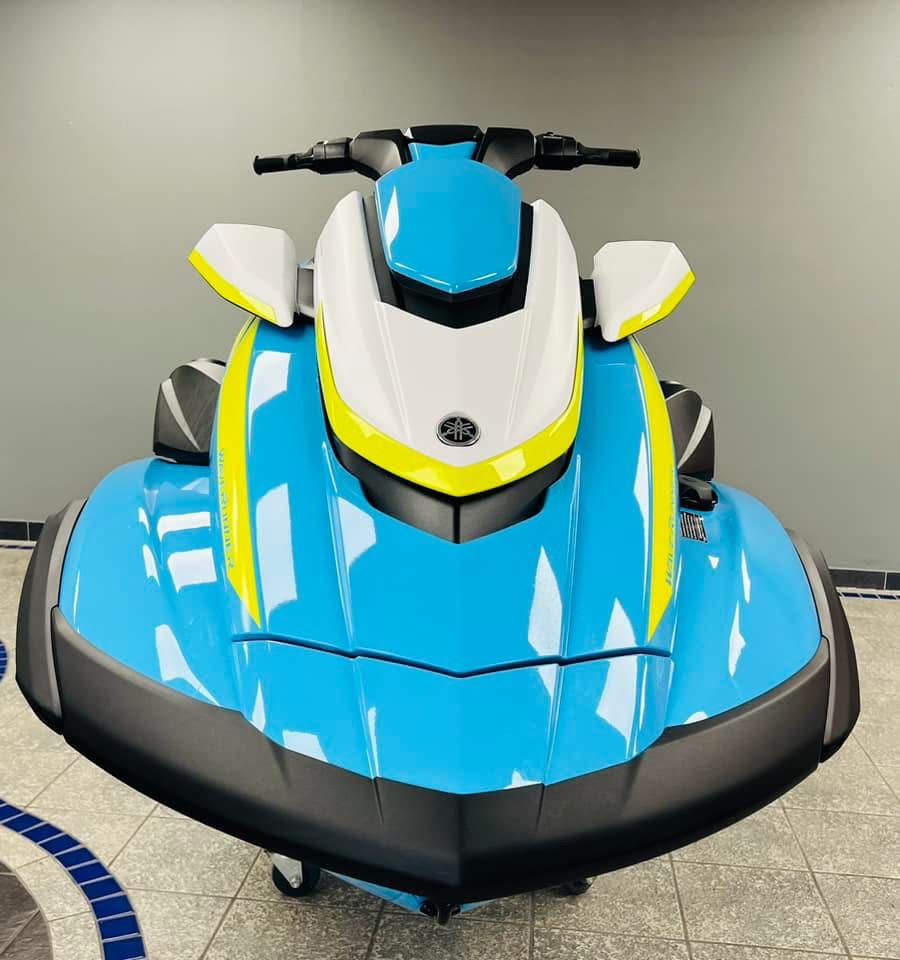
What does jet ski repair cost?
Costs vary widely by problem, model, parts and labor rates in your area. Routine servicing is relatively affordable, while engine, supercharger or major electrical work can be expensive. Always ask for a written estimate and approve any extra work before it is done.
| Job | Relative cost |
|---|---|
| Annual service (oil, filter, plugs, inspection) | Low to moderate |
| Battery replacement | Low |
| Impeller or wear ring | Moderate |
| Cooling system flush and repair | Low to moderate |
| Hull repair | Varies widely |
| Supercharger service | Moderate to high |
| Engine rebuild or replacement | High |
If a repair estimate is very high compared with the ski’s value, ask the shop whether repair makes sense, or whether it is better to sell the ski and upgrade.
Things to check before you book jet ski repair
Some problems have simple causes. Before you book, run through these checks.
- Is the safety lanyard attached properly?
- Is the battery charged and are the terminals clean and tight?
- Is there enough fuel, and is it fresh?
- Is the intake grate blocked by weed, rope or debris?
- Are any fuses blown?
- Is there an error code on the display? Note it for the mechanic.
If these checks do not solve the problem, book a professional. Do not keep trying to start a ski that may have water in the engine, as this can cause serious damage. Read our jet ski battery guide for battery checks and our jet ski parts guide for common wear items.
Jet ski repair in the San Francisco Bay Area
Bay Area riders face salt water, strong currents and debris, all of which can lead to repairs. Corrosion is a common issue, so look for a shop with experience in salt water skis. Spring is the busiest season, so book servicing early, ideally in late winter, to avoid long waits when the weather warms up.
If you ride on San Francisco Bay, ask the shop about corrosion protection, cooling system flushing and anode replacement where fitted. Prevention is cheaper than repair.
Mobile vs. workshop repair
| Mobile mechanic | Workshop or dealer | |
|---|---|---|
| Convenience | Comes to you | You transport the ski |
| Best for | Servicing, winterization, simple repairs | Major repairs, diagnostics, warranty work |
| Tools and equipment | Limited | Full workshop |
| Turnaround | Often quick for simple jobs | Depends on workload |
Many owners use a mobile mechanic for routine servicing and a workshop for bigger jobs.
Warranty repairs
If your ski is still under warranty, take covered repairs to an authorized dealer. Keep records of all servicing, as missed maintenance can affect warranty claims. The FTC offers a clear overview of how product warranties work. If you bought an extended protection plan, read the terms to understand what is covered and how to make a claim.

How to search for jet ski repair near me online
Search engines and map apps make it easy to find local options, but a few tricks give better results. When you search for jet ski repair near me, add your city or the name of your lake or harbor. Look at map listings with photos of the workshop and recent reviews. Check each shop’s website for services, brands covered and booking options.
If you have a specific problem, include it in your search, such as “Sea-Doo iBR repair” or “Yamaha WaveRunner overheating.” This often brings up shops with specialist experience. Searching for PWC repair near me can also reveal mobile mechanics who do not appear under jet ski searches.
Questions to ask before you book
- Do you work on my make and model regularly?
- Do you have the diagnostic software for my brand?
- What is your current turnaround time?
- How do you charge for diagnosis, and is it credited toward the repair?
- Will you call me before doing any extra work?
- Do you use OEM or aftermarket parts?
- Do you guarantee your work, and for how long?
- Can you pick up or collect the ski, or do I need to bring it in?
Clear, confident answers are a good sign. If a shop avoids questions or will not give an estimate, keep looking for jet ski repair near me.
Preparing your ski for the shop
- Write down the problem, when it happens and any error codes.
- Note the engine hours and when the last service was done.
- Bring service records, keys and lanyards.
- Remove personal items from storage compartments.
- Clean the ski if possible, so the mechanic can see the problem clearly.
- Make sure the trailer is roadworthy if you are towing it in.
Good information helps the mechanic diagnose the problem faster, which can save labor costs.
Preventing repairs with regular maintenance
The best repair is the one you never need. A simple maintenance routine prevents many common problems.
- Flush the cooling system after every salt water ride.
- Rinse and dry the ski after each use.
- Check the oil level and look for leaks before each ride.
- Inspect the intake and impeller for debris.
- Keep the battery charged during breaks.
- Follow the service schedule in your owner’s manual.
- Winterize the ski properly before long storage.
A yearly service by a qualified mechanic catches small issues before they become expensive repairs.
Signs you need jet ski repair near me right away
Some symptoms mean you should stop riding and get help quickly. If you notice any of these, look for jet ski repair near me before the next ride.
- A sudden loss of power or unusual vibration.
- An overheating alarm or steam from the exhaust.
- A strong smell of fuel in the engine bay.
- Water rising in the hull during or after a ride.
- Grinding, knocking or rattling noises from the engine or pump.
- Steering that feels loose, stiff or uneven.
- Repeated warning lights or limp mode.
Continuing to ride with these problems can turn a small repair into a major one. Safety comes first, so return to shore at low speed and arrange an inspection.
Winterization and spring servicing
Many owners book a winterization service at the end of the season and a spring check before the first ride. Winterization typically includes stabilizing the fuel, flushing and protecting the cooling system, fogging the engine if recommended, changing the oil and preparing the battery for storage. A spring service checks the ski over, replaces worn parts and gets it ready to ride.
Booking these services early avoids the spring rush, when the best shops can have long waiting lists.
DIY repairs you can do safely
Some jobs are well within reach of a handy owner with basic tools and the owner’s manual.
- Charging or replacing the battery.
- Replacing spark plugs.
- Cleaning the intake grate and removing debris.
- Changing the oil and filter, if you follow the procedure carefully.
- Replacing fuses and checking connections.
- Lubricating cables and fittings.
Leave fuel system, engine, steering and electronic diagnostic work to professionals unless you are experienced. If your ski is under warranty, check how DIY work affects coverage.
Understanding fault codes
Modern skis use electronic control units that monitor sensors throughout the engine and electrical system. When something goes wrong, the system may display a warning light or a fault code, and some skis switch to a reduced-power limp mode to protect the engine. Write down any codes or messages exactly as they appear, along with what you were doing when the warning came on.
A technician with the right diagnostic software can read stored codes, view live sensor data and pinpoint the cause much faster than guessing. That is why brand-specific tools matter so much. Clearing codes without fixing the cause rarely solves the problem, and it can hide useful information.
Salt water and corrosion problems
Salt water is the leading cause of avoidable repairs. Salt crystals build up in cooling passages, corrode metal fittings and attack electrical connections. Over time, this can lead to overheating, poor running and electrical faults. The fix is often simple: flush after every ride, rinse the engine bay, spray metal parts with a corrosion inhibitor and dry the ski before covering it.
If you have bought a used ski that spent years in salt water, ask your mechanic to inspect the cooling system, exhaust components and wiring carefully. Catching corrosion early saves money.
Building a relationship with a good shop
Once you find a mechanic you trust, stick with them. A shop that knows your ski’s history can spot changes quickly and plan maintenance around your riding season. Book your annual service at the same time each year, keep copies of every invoice and ask for advice on upgrades or upcoming maintenance. Many shops offer priority booking to regular customers, which is valuable during the busy summer months.
Leave honest reviews when you receive good service. They help other riders find reliable help, and they support the local businesses that keep the riding community on the water.
Transporting your ski to the shop
If you tow your ski to a workshop, check the trailer before you go: tires, lights, bearings and straps. Remove valuables from storage, and bring the keys and lanyards. If you cannot tow, ask whether the shop offers pickup and delivery or whether a mobile mechanic can do the work at your home or marina.
Repair or replace?
Sometimes the smartest decision is not to repair at all. If an older ski needs a major engine rebuild, the cost may approach or exceed its market value. In that case, compare the repair estimate with the price of a good used or new ski. Consider the ski’s age, hours, hull condition and how much you enjoy riding it. A trusted mechanic will give you an honest opinion.
If you decide to replace, you may still be able to sell the old ski as a project or for parts, which helps fund your next purchase. Read our used jet skis guide to see which models offer the best value as replacements, or our best jet ski guide for new options.
Keeping a repair log
Keep a simple log of every repair and service: the date, engine hours, what was done, parts used and the shop’s name. This history helps mechanics diagnose future problems faster, supports warranty claims and adds value when you sell. A notebook in the glove box or a note on your phone works perfectly.
Photos are useful too. Take pictures of the engine bay, hull and pump before and after major work, and save copies of invoices with the photos. If a problem returns, you and your mechanic can compare and see exactly what changed. This simple habit also helps when you talk to insurers about damage, or when a buyer asks detailed questions about the ski’s history.
Store everything in one folder, both paper and digital, so it is easy to share with a new mechanic or buyer whenever you need it. A complete record shows that your ski has been looked after properly.
Good records really are one of the simplest ways to protect your ski’s value.
Jet ski repair near me: FAQs
How long does jet ski repair take?
Simple repairs can be done in a day or two. Major repairs, or jobs waiting for parts, can take longer, especially in spring and summer.
Do mechanics charge for diagnosis?
Many do. Ask whether the diagnostic fee is credited toward the repair if you go ahead.
Can any marine mechanic fix a jet ski?
Some general marine mechanics work on PWCs, but specialist experience and brand-specific diagnostic tools make a big difference on modern skis.
Is it worth repairing an old jet ski?
It depends on the cost of the repair compared with the ski’s value and condition. Ask your mechanic for an honest opinion.
Where can I find PWC repair near me in the Bay Area?
Search online with your city or launch area, check dealer listings and ask local riding groups and marinas for recommendations.
Get back on the water
Finding the right jet ski repair near me does not have to be stressful. Check the simple things first, choose a shop with the right experience and tools, ask clear questions and keep up with maintenance to prevent future problems.
If repairs no longer make sense for your ski, it might be time for an upgrade. At Hayling Jetsport in San Francisco, you can browse jet skis for sale, including pre-owned models, plus accessories and trailers. Email sale@haylingjetsport.org with any questions.
Leave a Reply