A Kawasaki jet ski carries one of the most famous names on the water. Kawasaki introduced the original Jet Ski decades ago, and the name became so well known that people now use it for every personal watercraft. Today, Kawasaki builds a focused range of skis known for strong engines, spacious hulls and the legendary SX-R stand-up.
In this guide, we compare the main Kawasaki jet skis, explain the engines and features, and help you choose the best Kawasaki PWC for your riding. Model details change from year to year, so always check the official Kawasaki website for the latest specifications.
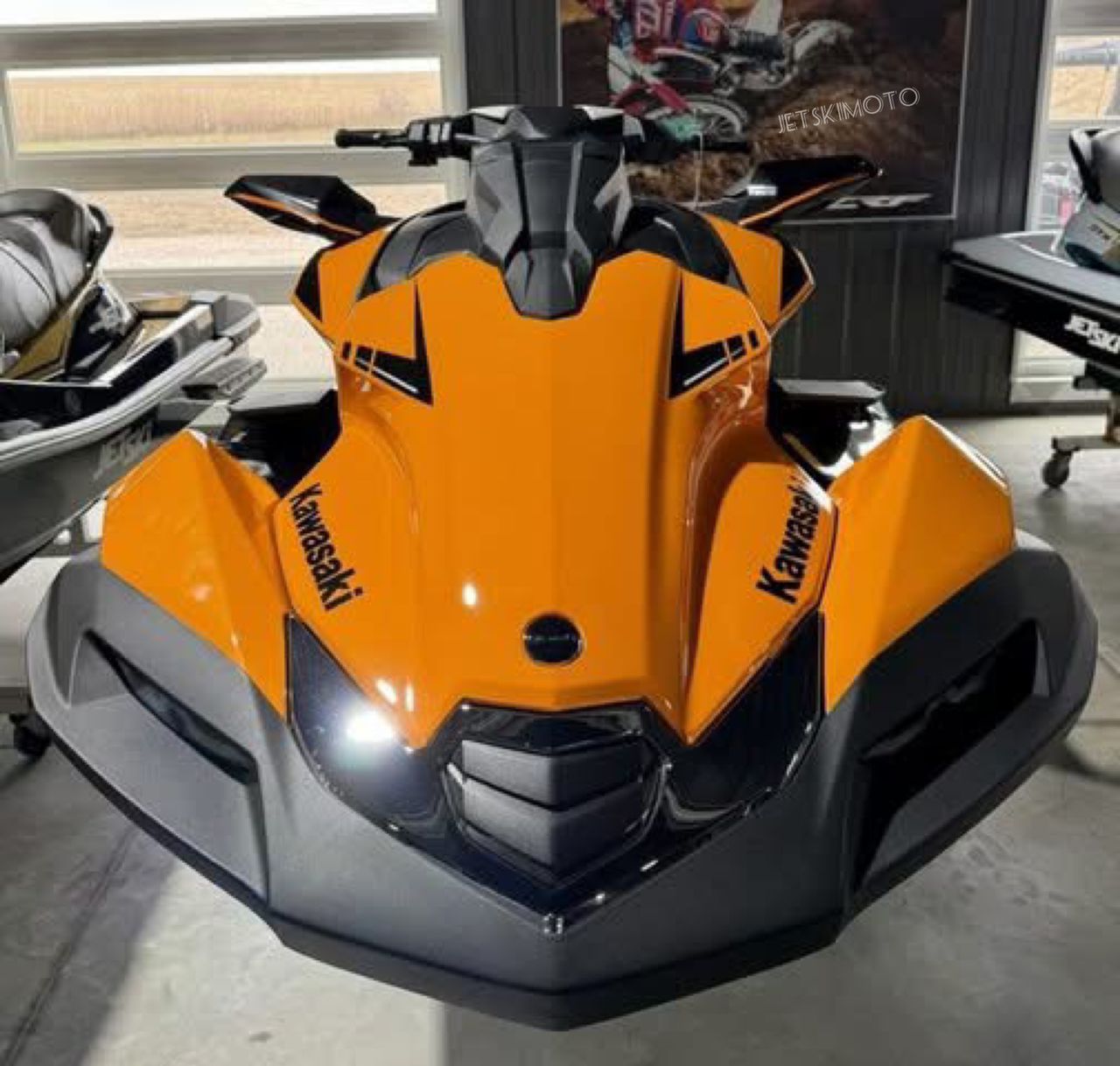
The Kawasaki jet ski range at a glance
| Family | Type | Best for |
|---|---|---|
| STX 160 | Rec and touring | Families, value-focused buyers, all-round fun |
| Ultra 160 | Luxury touring | Comfort-focused riders who want a big hull |
| Ultra 310 | Supercharged luxury performance | Riders who want maximum power and size |
| SX-R | Stand-up | Skilled riders, freestyle and fitness |
Kawasaki’s range is smaller than Sea-Doo’s or Yamaha’s, but each family is clearly defined. That makes choosing a Kawasaki jet ski refreshingly simple.
Kawasaki STX 160
The STX 160 family is Kawasaki’s popular all-rounder. It uses a 1.5-liter four-cylinder engine that delivers strong, smooth power, and it seats up to three riders. Versions such as the STX 160X and STX 160LX add more features, comfort and convenience.
- Strong, smooth acceleration for towing and passengers.
- Stable hull for family riding.
- Good value for a three-seat ski.
- Higher trims add features like improved seats, audio and brake systems on some versions.
For many buyers, the STX is the sweet spot: plenty of power, room for the family and a reasonable price.
Kawasaki Ultra 160
The Ultra 160 uses Kawasaki’s larger Ultra hull with the same naturally aspirated 1.5-liter engine. It offers a bigger, more stable platform with luxury touring features, making it a comfortable choice for long rides and rough water.
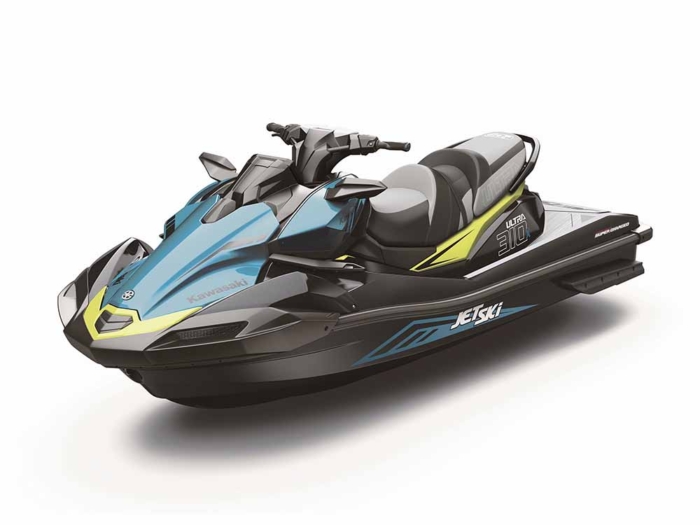
Kawasaki Ultra 310
The Ultra 310 is the flagship. It combines the large Ultra hull with a supercharged 1.5-liter engine for huge acceleration and top speed. Versions such as the Ultra 310X, Ultra 310LX and Ultra 310LX-S add different levels of luxury features. It is a powerful, premium machine aimed at experienced riders.
Kawasaki SX-R
The SX-R is Kawasaki’s modern stand-up jet ski, carrying on the brand’s heritage. It uses a large four-cylinder engine, giving it strong power and a more stable feel than older two-stroke stand-ups. See the Kawasaki SX-R page for current details, or read our stand up jet ski guide.

Kawasaki jet ski engines explained
Kawasaki keeps its engine lineup simple. Most current sit-down skis use a 1.5-liter four-cylinder engine, offered in naturally aspirated form or with a supercharger.
| Engine | Found in | Character |
|---|---|---|
| 1.5L naturally aspirated | STX 160, Ultra 160 | Smooth, strong and efficient for its size |
| 1.5L supercharged | Ultra 310 | Massive acceleration and top speed |
| 1.5L stand-up version | SX-R | Strong, controllable power for stand-up riding |
The naturally aspirated engine is more than enough for most riders. The supercharged engine is for those who want the most power available, and it comes with higher purchase and running costs.
Key Kawasaki features
KIBS braking system
Many Kawasaki jet skis offer KIBS, the Kawasaki Intelligent Braking System. It helps you slow down and maneuver at low speed, making docking and loading easier.
Spacious, stable hulls
Kawasaki jet skis are known for roomy decks and stable hulls, especially on the Ultra models. That makes them comfortable for passengers and confident in chop.
Comfort features
Higher trims add premium seats, audio systems, larger storage and other comfort features that make long days more enjoyable.
Ride modes
Some models offer modes such as eco and speed-limiting settings, which help save fuel and make riding easier for new operators.
Kawasaki jet ski vs. Sea-Doo and Yamaha
| Kawasaki | Sea-Doo | Yamaha | |
|---|---|---|---|
| Range size | Focused | Very wide | Wide |
| Known for | Big engines, roomy hulls, stand-up heritage | Innovation, lightweight options, accessories | Reliability, smooth handling |
| Entry model | STX 160 | Spark | EX |
| Flagship | Ultra 310 | GTX Limited, RXP-X | FX SVHO, GP SVHO |
| Stand-up | SX-R | None currently | SuperJet |
If you want strong standard power and a roomy hull, a Kawasaki jet ski is a great choice. Compare with our Sea Doo GTX review and Yamaha WaveRunner comparison to see which brand suits you best.
How to choose the right Kawasaki jet ski
For families
The STX 160 is the natural choice. It has room for three, strong power for towing and a fair price.
For comfort and long rides
The Ultra 160 offers a larger, more stable hull and more comfort features.
For maximum power
The Ultra 310 is for experienced riders who want supercharged performance in a luxury package.
For skill and fitness
The SX-R is for riders who want the athletic challenge of a stand-up.
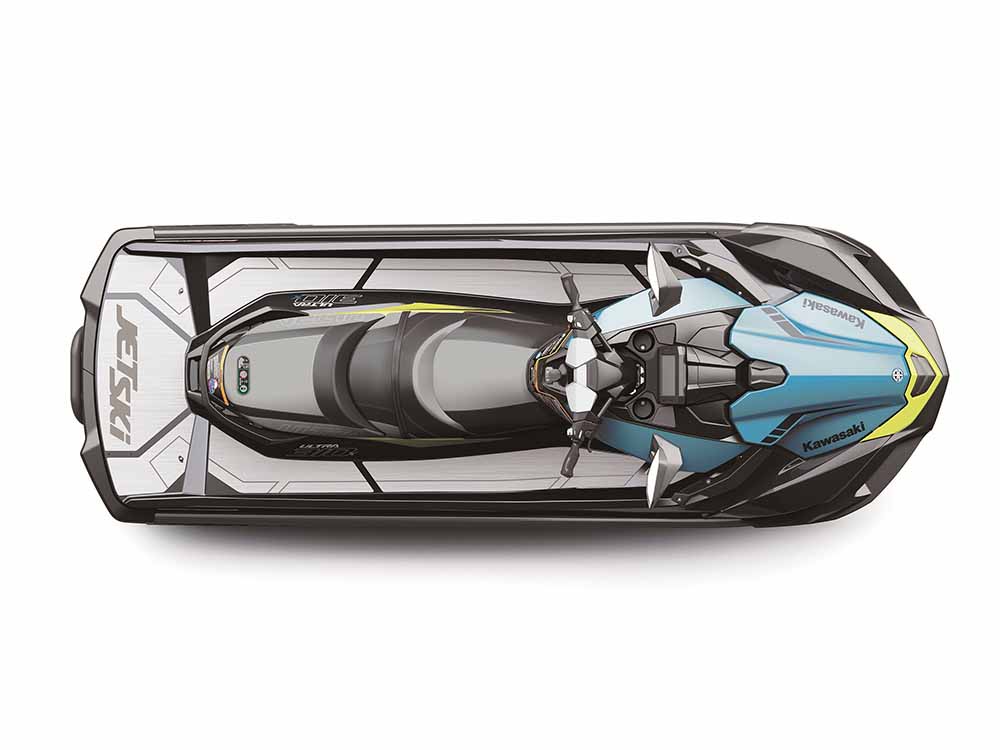
Riding a Kawasaki on San Francisco Bay
The Bay’s wind chop and currents favor larger, heavier hulls. An Ultra rides especially well in rough water, while the STX offers a good balance for most conditions. Always check the marine forecast and tide predictions, and plan rides for calmer mornings when you can. In California, PWC operators must be at least 16 and generally need a California Boater Card.
New vs. used Kawasaki jet skis
New Kawasaki jet skis offer the latest features, a factory warranty and peace of mind. Used models can offer great value, especially the popular STX and Ultra families. When buying used, pay close attention to service history, signs of salt water corrosion and supercharger maintenance on Ultra 310 models.
- Ask for full service records, including supercharger service where applicable.
- Inspect the engine bay for corrosion and leaks.
- Check the hull, especially the bottom near the intake.
- Test the KIBS system and electronics if fitted.
- Take a water test and check for water in the hull afterward.
- Match the HIN to the paperwork.
Browse Kawasaki jet skis for sale and pre-owned skis at Hayling Jetsport, and use our used jet ski checklist when you inspect.
Running costs of a Kawasaki PWC
Kawasaki’s 1.5-liter engines are powerful, which means fuel use can be higher than smaller recreation skis, especially when ridden hard. The supercharged Ultra 310 uses the most fuel and has the highest insurance and maintenance costs. The STX 160 offers a better balance of power and running costs.
| Cost | STX 160 | Ultra 160 | Ultra 310 | SX-R |
|---|---|---|---|---|
| Purchase price | Moderate | Higher | Highest | Moderate |
| Fuel use | Moderate | Moderate | High | Moderate |
| Insurance | Moderate | Higher | Highest | Moderate |
| Towing | Moderate weight | Heavy | Heavy | Light |
Plan for registration, insurance, servicing, fuel and storage in your budget. Read our jet ski insurance guide for tips on coverage.
Maintaining your Kawasaki jet ski
- Flush the cooling system after every salt water ride.
- Rinse the hull, deck, engine bay and trailer.
- Check oil levels and follow the service schedule in the owner’s manual.
- Inspect the impeller and intake for debris and damage.
- Service the supercharger on Ultra 310 models as specified.
- Keep the battery on a maintainer during long breaks.
- Winterize properly before long storage.
Regular servicing by a qualified technician keeps your ski reliable and protects its resale value.
Accessories for Kawasaki jet skis
- A trailer rated for your model’s weight.
- A custom-fit cover.
- Life jackets for every rider.
- Dock lines, fenders and an anchor.
- Tow rope and tube for watersports.
- Dry bags and other jet ski accessories.
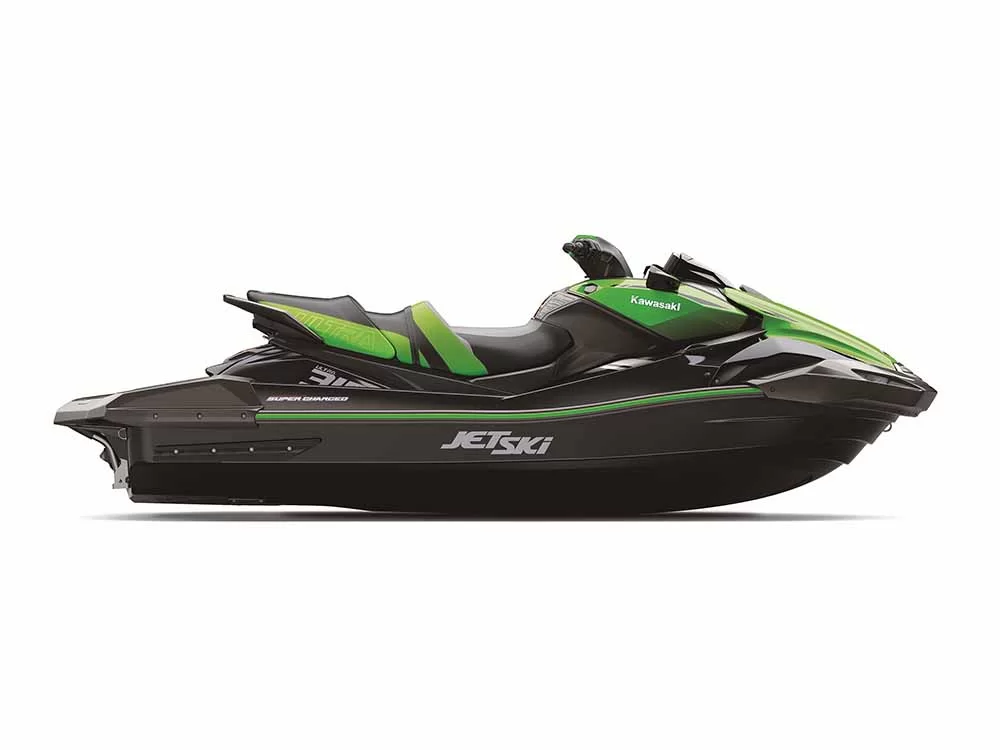
What it is like to ride a Kawasaki
Riders often describe Kawasaki jet skis as strong and planted. The 1.5-liter engine pulls hard from low speed, which makes towing and carrying passengers easy. On the larger Ultra hull, the ride feels smooth and stable, cutting through chop with confidence. The STX feels a little lighter and more agile, while still offering a comfortable ride for three.
Seating is roomy, and the decks offer plenty of space for feet and gear. On longer trips, the stability of the hull reduces fatigue, and comfort features on higher trims make the day even easier. For riders who value power and space over the lightest possible weight, a Kawasaki jet ski is an appealing choice.
Test riding tips
- Ride with the number of passengers you usually carry.
- Try acceleration from rest and at mid-range speed.
- Test braking and slow-speed control if the model has KIBS.
- Ride in some chop to feel how the hull handles waves.
- Check comfort after at least twenty minutes in the seat.
- Practice reboarding from deep water.
Compare your impressions with similar models from Sea-Doo and Yamaha. Each brand feels a little different, and test riding is the best way to discover which one suits you.
Long-term ownership
With proper care, a Kawasaki jet ski can provide many seasons of reliable riding. Follow the service schedule, flush after every salt water ride and store the ski under a cover. Keep records of every service and repair, and your ski will hold its value well when it is time to sell or trade in.
Many owners build a long relationship with a local service shop. Read our guide to jet ski repair near me for tips on choosing one, and our jet ski parts guide for advice on keeping spare parts on hand.
Kawasaki for families
For families, the STX 160 offers an attractive combination of power, room and price. Its stable hull gives younger passengers confidence, and its strong engine makes towing a tube easy. Choose properly sized life jackets for every child, set clear rules on board and start with calm, sheltered water.
Towing, launching and storage
Kawasaki’s larger skis, especially the Ultra models, are heavier than many competitors, so check your vehicle’s towing capacity and choose a trailer rated for the full loaded weight. Adjust the bunks to support the hull evenly, and use bow and stern straps every time you tow.
At the ramp, a braking system makes launching and loading far easier, particularly in wind or current. Practice at a quiet ramp until the routine feels natural. At home, store the ski under a fitted cover, ideally in a garage, and keep the battery on a maintainer during long breaks.
Kawasaki heritage and the stand-up legend
Kawasaki’s place in personal watercraft history is unique. Its original Jet Ski helped create the sport, and its stand-up skis dominated racing and freestyle for years. The modern SX-R carries that legacy forward, and the sit-down STX and Ultra families bring Kawasaki engineering to riders who want comfort and space. Owning a Kawasaki jet ski connects you to that heritage every time you ride.
Common questions from new owners
- Read the owner’s manual cover to cover before your first ride.
- Learn the braking system and ride modes in calm water.
- Book the first service at the interval shown in the manual.
- Keep receipts and service records in one folder.
- Register the ski and fit the numbers before launching.
Getting the most from a powerful ski
Kawasaki’s engines deliver plenty of power, and the supercharged Ultra 310 especially rewards respectful riding. Use eco or speed-limiting modes while you learn, and build up to full power gradually. Keep a careful lookout, especially behind you before turning, and give other vessels, swimmers and paddlers plenty of space. Powerful skis close distances quickly, so ride with extra margin.
Passengers also feel acceleration more than the rider does. Brief them before you set off, ask them to hold on firmly and lean with you, and avoid sudden throttle changes. Smooth, controlled riding is safer and more comfortable for everyone on board.
For long trips, plan fuel stops carefully, as powerful engines use more fuel at high speed. Follow the rule of thirds and keep a reserve. Ride with another ski where possible, carry a VHF radio and a phone in a waterproof pouch, and tell someone on shore your plan. Good preparation lets you enjoy all that power with peace of mind.
Resale and trade-in tips
When the time comes to upgrade, a well-kept Kawasaki jet ski sells well, especially popular models like the STX and Ultra. Clean the ski thoroughly, gather service records, take clear photos from every angle and price it fairly against similar listings. A matching trailer, cover and accessories add appeal. If you trade in with a dealer, ask for a written offer and compare it with private sale prices so you can make an informed choice.
Keeping the ski in original condition, or saving original parts if you upgrade, also helps resale. Buyers like to know exactly what they are getting, and a documented history builds trust quickly.
Before listing, consider a professional service and detail. A fresh service report reassures buyers, and a clean, polished hull makes a strong first impression in photos. Small fixes, such as replacing a torn seat cover or worn dock lines, can make a noticeable difference to how quickly your ski sells and the price it achieves.
Be honest about any known issues in your listing too. Buyers appreciate transparency, and it prevents disputes later. A clear description, fair price and good photos are the fastest route to a smooth sale.
With good care and honest presentation, your ski will find its next owner quickly.
Kawasaki jet ski FAQs
Is Kawasaki a good jet ski brand?
Yes. Kawasaki is known for strong engines, roomy hulls and its iconic stand-up heritage.
Which Kawasaki jet ski is best for beginners?
The STX 160 is the best starting point, with stable handling, room for passengers and fair pricing.
How fast is the Kawasaki Ultra 310?
It is one of the fastest production skis, thanks to its supercharged engine. Exact top speed depends on conditions and load.
Does Kawasaki still make stand-up jet skis?
Yes. The SX-R is Kawasaki’s current stand-up model.
Is “jet ski” a Kawasaki trademark?
Yes. Jet Ski is a Kawasaki trademark, although people commonly use the term for all personal watercraft.
Find your Kawasaki jet ski at Hayling Jetsport
Whether you choose the family-friendly STX, the luxurious Ultra 160, the supercharged Ultra 310 or the SX-R stand-up, a Kawasaki jet ski delivers strong performance and a proud heritage. Match the model to how you ride, budget for running costs and take care of your ski, and it will reward you for years.
At Hayling Jetsport in San Francisco, you can browse Kawasaki jet skis for sale, compare them with Sea-Doo and Yamaha models, and add a trailer and accessories to the same order. Questions about choosing a Kawasaki PWC? Email sale@haylingjetsport.org and we will help.
A quick buying checklist
- Choose the family: STX, Ultra 160, Ultra 310 or SX-R.
- Pick a trim level with the features you will use.
- Set a total budget including trailer, insurance and gear.
- Test ride if possible, ideally in conditions like your local water.
- Compare new and used options.
- Check paperwork and service history on used skis.
- Arrange registration, insurance and a Boater Card before your first ride.
Working through this list helps you buy the right Kawasaki jet ski with confidence and get on the water quickly.
Understanding trim levels
Kawasaki often offers several trims within each family, identified by letters such as X, LX or LX-S. Higher trims generally add comfort and convenience features, such as upgraded seating, audio systems, extra storage, mirrors, braking systems and premium finishes. Base trims keep the price lower while still offering the same core engine and hull.
Look at the full equipment list for each trim and decide which features matter to you. For some riders, a base model with a few chosen accessories offers the best value. Others prefer the convenience of a fully equipped ski straight from the factory.
Leave a Reply