A jet ski rental is the easiest way to try personal watercraft riding without buying a ski, a trailer and all the gear. You pay for a set time on the water, the operator handles fuel and maintenance, and you walk away when the day is done. For many riders, a rental is the first step. For others, it becomes a regular habit, and that is when buying starts to make sense.
In this guide, we explain how a jet ski rental works, what it usually costs, what to check before you hand over a card, and how to stay safe on busy water like San Francisco Bay. We also look at when owning your own ski becomes better value than booking jet ski rentals every month.
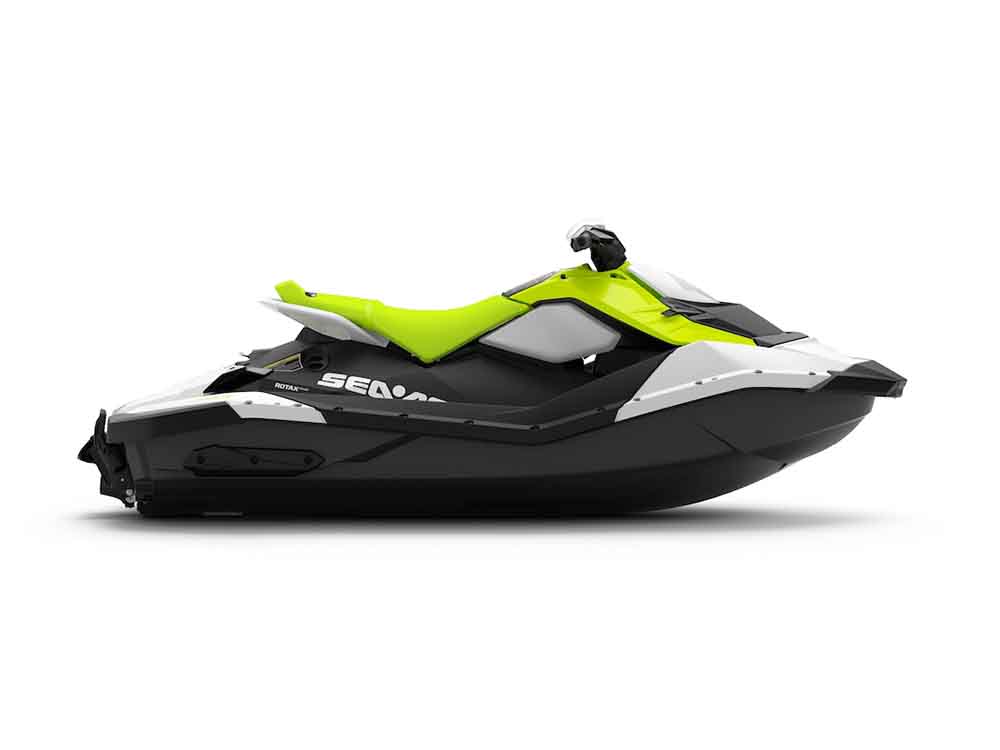
What is a jet ski rental?
A jet ski rental is a short-term hire of a personal watercraft (PWC). Most rental companies offer one-hour, two-hour, half-day and full-day slots. Some launch from a beach or dock, while others run guided tours that follow a set route.
When you rent a jet ski, the price normally includes the ski itself, fuel for a set time or distance, a life jacket and a safety briefing. Extras such as wetsuits, damage waivers and photos are often charged on top.
Guided tours vs. free ride rentals
There are two main types of jet ski rentals. A guided tour follows a guide in a group, which is great for new riders and for scenic routes. A free ride lets you explore within a marked area on your own. Free ride sessions feel more like owning a ski, but they usually come with stricter rules on speed and distance.
How much does a jet ski rental cost?
Prices vary by location, season and the type of ski. As a rough guide, an hour on a recreation ski often costs around $100 or more in busy US coastal areas, with discounts for longer bookings. Bigger touring or performance skis cost more, and weekends in summer are almost always the most expensive slots.
| Rental length | What to expect | Best for |
|---|---|---|
| 1 hour | Shortest and cheapest option, but time passes quickly | First-timers trying it out |
| 2 hours | Time to relax, explore and swap riders | Couples and friends |
| Half day | Better value per hour, more freedom | Confident riders |
| Full day | Best value per hour, often with a fuel cap | Groups and keen riders |
Always ask what is included. A cheap headline price can grow fast once you add fuel, a damage waiver, a second rider and taxes. A clear quote up front is a good sign that the jet ski rental company is worth booking.
Hidden costs to look out for
- Security deposit: often held on your card until the ski is checked after your ride.
- Damage waiver: reduces what you pay if the ski is damaged, but rarely covers everything.
- Fuel charges: some rentals include a full tank, others charge for fuel used.
- Extra riders: a passenger may cost more, and some skis have weight limits.
- Late return fees: coming back late can cost a full extra hour.
9 proven tips for a great jet ski rental
These tips come from years of talking to riders before and after their first day on the water. Follow them and your jet ski rental will be safer, cheaper and a lot more fun.
1. Book early for summer weekends
The best time slots go first. Booking a few days ahead gives you the pick of morning sessions, when the water is often calmer and less crowded.
2. Check the weather and tides
Wind and tide can turn a smooth ride into a bumpy one. Check the marine forecast and NOAA tide predictions the day before. On San Francisco Bay, afternoon winds often build, so morning slots are usually calmer.
3. Read the rental agreement
Before you sign, read what you are agreeing to. Look for the riding area, the speed limits, the damage policy and the deposit terms. If anything is unclear, ask.
4. Listen closely to the safety briefing
Every good jet ski rental starts with a briefing. You will learn how to start and stop the ski, how the safety lanyard (kill switch) works and how to climb back on from deep water. Pay attention, because those few minutes matter.
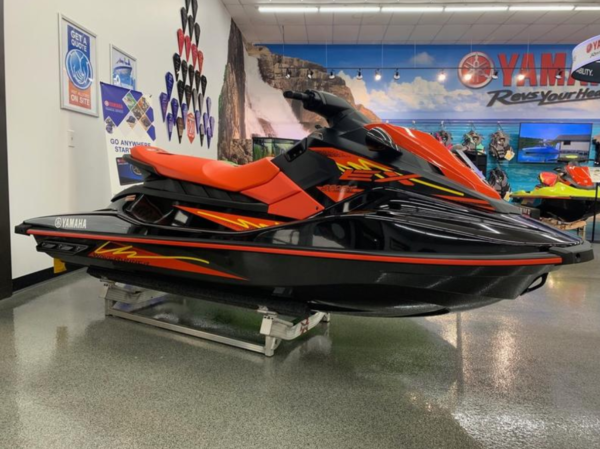
5. Wear a proper life jacket
Everyone on a PWC must wear a U.S. Coast Guard-approved life jacket. The rental company should provide one, but check that it fits snugly and is zipped and buckled.
6. Take photos of the ski before you go
Walk around the ski with your phone and record any scratches or dents. It takes one minute and can save a dispute over your deposit.
7. Start slow and build up
Jet skis are quick. Spend the first few minutes at low speed, get a feel for the steering and practice stopping. Remember, you need throttle to steer on most skis.
8. Keep a lookout and keep your distance
Stay well clear of swimmers, paddle boards, moorings and other boats. Look behind you before every turn, and slow down near docks and marinas.
9. Bring sun protection and water
Sun and wind dry you out fast. Bring sunscreen, sunglasses with a strap and a bottle of water, especially for longer rentals.
Jet ski rental rules in California
In California, anyone operating a motorized vessel generally needs a California Boater Card, and no one under 16 may operate a PWC. Rules for renters can differ, and rental companies often run their own checks, so confirm the requirements when you book.
- Minimum age to operate a PWC is 16.
- A life jacket must be worn by every rider.
- The safety lanyard must be attached to the operator.
- Riding at night is not allowed on a PWC.
- Local speed limits and no-wake zones apply.
If you are not sure, ask the company before you arrive. A reputable jet ski rental business will happily explain the rules.
Jet ski rental vs. buying: which is better value?
A jet ski rental is perfect for one or two days a year. But if you find yourself booking jet ski rentals every few weeks, the cost adds up quickly. At that point, owning your own ski can work out cheaper over a season or two, and you can ride whenever the conditions are right.
| Renting | Buying | |
|---|---|---|
| Up-front cost | Low | Higher |
| Cost per ride | High | Falls the more you ride |
| Freedom | Set times and areas | Ride when and where you like |
| Maintenance | Handled for you | Your responsibility |
| Storage and towing | Not needed | Trailer and space needed |
If you are ready to stop renting, browse our Sea-Doo jet skis, Yamaha WaveRunners and pre-owned jet skis. Used skis are a great middle ground, with a lower price than new.
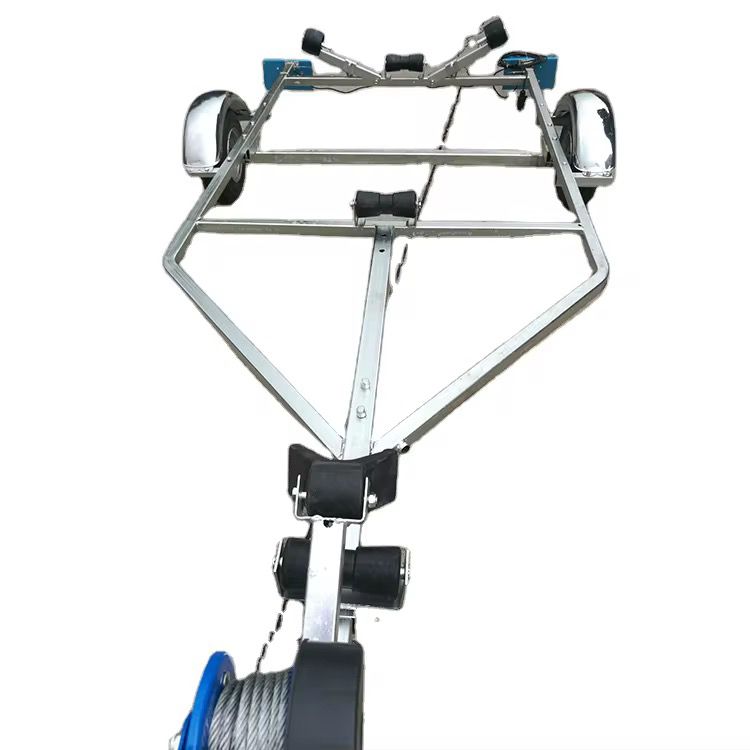
What you need once you own a ski
- A jet ski trailer to tow it to the launch ramp.
- Safety kit and accessories such as a cover, dock lines and a spare lanyard.
- Registration with the California DMV and a CF number on the hull.
- Insurance, which many marinas and launch sites expect.
- A place to store it, such as a garage, driveway or storage yard.
Choosing the right ski when you rent
Most rental fleets use recreation or touring skis, because they are stable and easy to ride. If you get a choice, pick a ski that suits your group.
- Solo or light riders: a small recreation ski like the Sea-Doo Spark is nimble and fun.
- Two riders: a mid-size ski gives more room and stability.
- Three riders or rough water: a touring ski is bigger, heavier and smoother.
Trying different skis on a jet ski rental is also a smart way to decide what to buy later. Note what you liked about the seat, the handling and the storage.
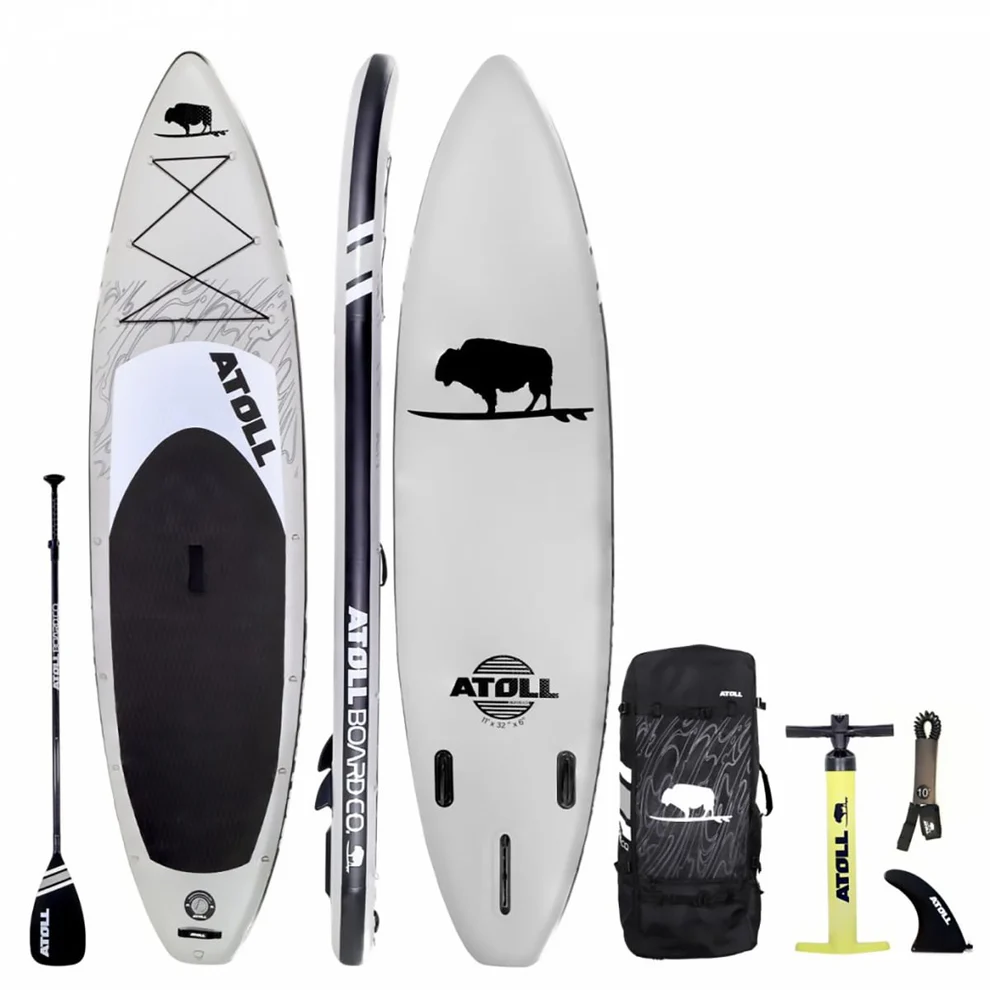
What to wear and bring on a jet ski rental
- Swimwear or a wetsuit (the Bay is cold, even in summer).
- Water shoes for grip on the deck and dock.
- Sunglasses with a retaining strap.
- Sunscreen and a hat for after the ride.
- A waterproof phone pouch.
- A towel and dry clothes for afterwards.
How to ride a rental jet ski: step by step
If this is your first jet ski rental, the controls can feel strange for a few minutes. Here is the simple routine most instructors teach.
- Board from the back. Climb onto the rear platform, then move forward to the seat. Keep your weight low and centered.
- Attach the lanyard. Clip the safety lanyard to your life jacket or wrist before you start the engine.
- Start and idle away. Press the start button and let the ski idle out of the dock area at no-wake speed.
- Squeeze the throttle gently. Build speed slowly. Most rental skis are speed-limited, but they still feel fast at first.
- Steer with throttle. A jet ski turns by pushing water through its nozzle, so you need some throttle to turn. Letting go of the throttle and turning hard does very little.
- Use the brake if fitted. Many newer skis have a brake and reverse lever on the left handlebar. Practice using it in open water.
- Return slowly. Come back to the dock at idle speed and follow the staff signals.
Practice these steps in the first ten minutes of your jet ski rental and you will spend the rest of the session enjoying the ride instead of worrying about the controls.
Jet ski rental safety checklist
Rental companies brief every rider, but it pays to run through your own checklist too. These are the points we would check before any jet ski rental.
- The life jacket fits and is fully fastened.
- The safety lanyard is attached and you know how to restart the ski after it stops.
- You know the boundaries of the riding area and the way back to the dock.
- You have a way to call for help, such as a phone in a waterproof pouch.
- Someone on shore knows when you expect to be back.
- You have checked the fuel level and know the rules on fuel use.
- Your passenger knows to hold on and lean with you in turns.
If the staff rush through the briefing or the gear looks worn out, think twice. A well-run jet ski rental business takes safety seriously and is happy to answer questions.
Common jet ski rental mistakes to avoid
Turning without throttle
This is the number one mistake new riders make. If you let go of the throttle in a panic, the ski will keep going straight. Instead, ease off, steer and apply a little throttle to turn away from the obstacle.
Riding too close to other riders
Group rides are fun, but jet skis do not stop quickly. Keep at least a few ski lengths away from other riders, and never ride directly behind someone in their wake.
Ignoring the conditions
Choppy water is tiring and can be dangerous for beginners. If the wind picks up during your jet ski rental, slow down and head back to sheltered water.
Forgetting the time
Rental time goes quickly. Keep an eye on the clock so you are not hit with a late fee or forced to rush back at the end.
Jet ski rentals for groups, parties and events
Jet ski rentals are a popular choice for birthdays, bachelor and bachelorette parties and team outings. Many companies offer group rates when you book several skis at once, and guided tours are a good way to keep a large group together.
For groups, book well in advance, check how many riders each ski can carry and confirm the age and ID rules for every operator. It also helps to choose a meeting point and a time to regroup, so nobody gets left behind.
Where to ride in the San Francisco Bay Area
The Bay Area offers miles of water, from sheltered coves to open stretches near the Golden Gate. Conditions change fast, though, with strong currents, wind and fog. Most rental companies restrict riders to safe zones, and that is a good thing for first-timers.
Once you own your own ski, you can explore further, from public launch ramps around the bay to the Sacramento–San Joaquin River Delta. Always check local rules, speed limits and no-wake zones before you launch, and plan your ride around the tide.
Is a jet ski rental worth it?
For a day out with friends or a first taste of the sport, a jet ski rental is absolutely worth it. You get the thrill of riding without the commitment of ownership. If you catch the bug, and many people do, you can use what you learned on your rental to choose the right ski to buy. Compare Kawasaki jet skis, Sea-Doo and Yamaha models in our shop, and see how quickly ownership pays off compared with jet ski rentals.
Jet ski rental tips for kids and families
Families love jet ski rentals, but there are a few extra things to plan. In California, no one under 16 may operate a PWC, so younger children can only ride as passengers. Check the company’s minimum passenger age, because many set their own limits.
- Make sure every child has a properly sized life jacket, not an adult one.
- Seat children in front of the adult operator if the company allows it, so you can keep them secure.
- Keep speeds low and stay in calm, sheltered water.
- Plan shorter sessions, as children get cold and tired quickly.
- Bring snacks, water and warm layers for after the ride.
With the right planning, a family jet ski rental can be the highlight of a vacation. Many families who start with rentals go on to buy a larger touring ski, which has room for three riders and plenty of storage.
Jet ski rental FAQs
Do I need experience to rent a jet ski?
No. Most jet ski rental companies welcome beginners and give a full briefing before you ride. Guided tours are a good choice for your first time.
Can two people ride on one rental ski?
Usually, yes. Most rental skis seat two or three people. Check the weight limit and whether a passenger costs extra.
What happens if I damage a rental jet ski?
You are normally responsible for damage, up to the amount set in your agreement. A damage waiver can reduce this. Riding carefully and following the rules is the best protection.
Is it cheaper to rent or buy a jet ski?
For one or two rides a year, a jet ski rental is cheaper. If you ride often, buying usually costs less over time, especially with a good used jet ski.
What is the best time of day for a jet ski rental?
Mornings are often calmer and quieter. On San Francisco Bay, the wind tends to pick up in the afternoon, which makes the water choppier.
Ready to go from renting to riding your own ski?
A jet ski rental is a brilliant way to discover the sport. When you are ready for your own ski, Hayling Jetsport can help. Browse jet skis for sale, compare models and add a trailer and accessories to the same order. Questions? Email sale@haylingjetsport.org and we will help you choose.
Leave a Reply