Jet ski insurance is one of those things you hope you never need, but it can save you from enormous bills if something goes wrong. A collision with another vessel, an injury to a passenger, theft from your driveway or storm damage at the dock can all cost far more than the ski itself. The right policy protects your money, your ski and your peace of mind.
This guide explains the main types of PWC insurance, what affects the price, what California requires and practical ways to save. It is general information, not legal or financial advice, so always read your policy carefully and talk to a licensed insurance professional about your situation.
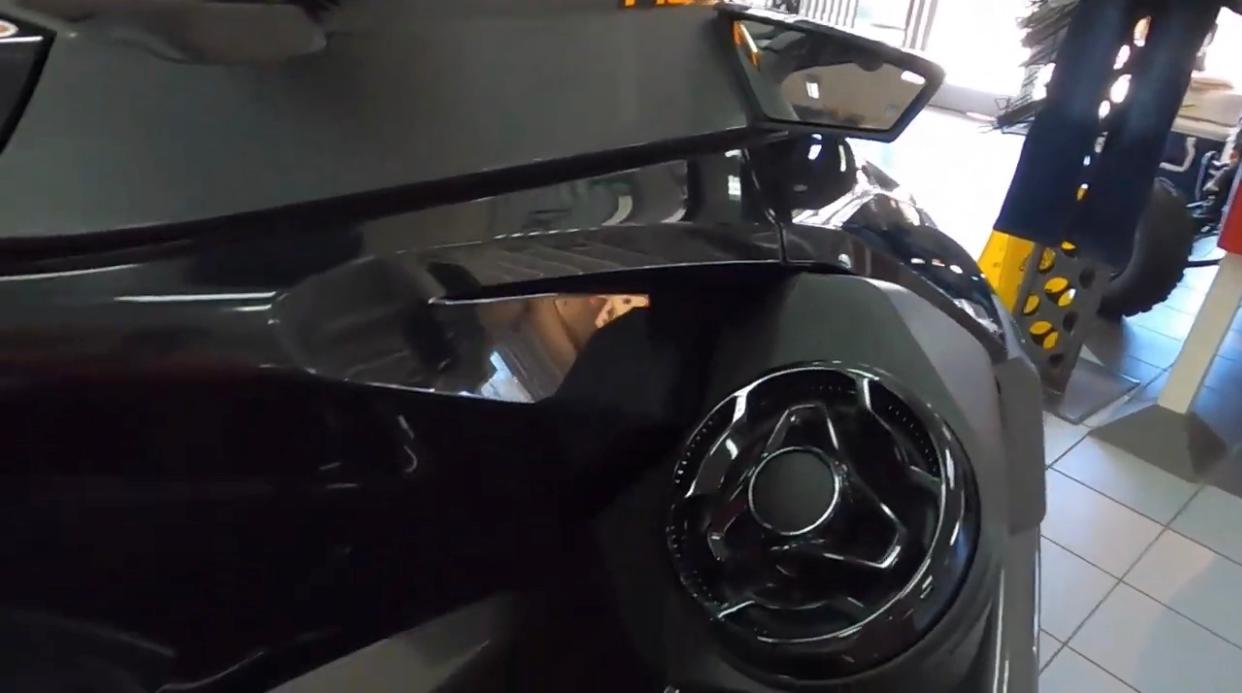
Is jet ski insurance required in California?
California state law does not generally require recreational boaters to carry insurance for a personal watercraft. However, that does not mean you can skip it. Many marinas, storage facilities, launch sites and rental agreements require proof of liability coverage. If you finance your ski, your lender will almost certainly require physical damage cover too.
Even when it is not required, riding without insurance is a big financial risk. If you cause injury or damage, you could be held personally responsible for the costs.
8 essential types of jet ski coverage
1. Liability coverage
Liability insurance pays for injuries to other people and damage to their property if you are at fault, such as hitting another boat, a dock or a swimmer. It also covers legal defense costs. This is the most important part of any jet ski insurance policy.
2. Physical damage coverage
Physical damage, sometimes called hull or collision and comprehensive coverage, pays to repair or replace your ski if it is damaged in an accident, storm, fire or vandalism, or if it is stolen.
3. Medical payments coverage
Medical payments coverage helps pay for injuries to you and your passengers, regardless of who was at fault.
4. Uninsured or underinsured boater coverage
If another boater injures you and has no insurance or not enough, this coverage helps pay your medical costs.
5. On-water towing and assistance
If your ski breaks down or runs out of fuel, towing coverage helps pay to get you back to shore. Membership services such as BoatUS also offer on-water towing plans.
6. Trailer coverage
Your ski’s trailer may need its own coverage. Some policies include it, while others offer it as an add-on.
7. Personal effects coverage
This covers personal items on the ski, such as phones, sunglasses and fishing gear, up to a limit.
8. Fuel spill liability
If your ski spills fuel or oil, cleanup costs can be high. Some policies include coverage for environmental damage caused by fuel spills.
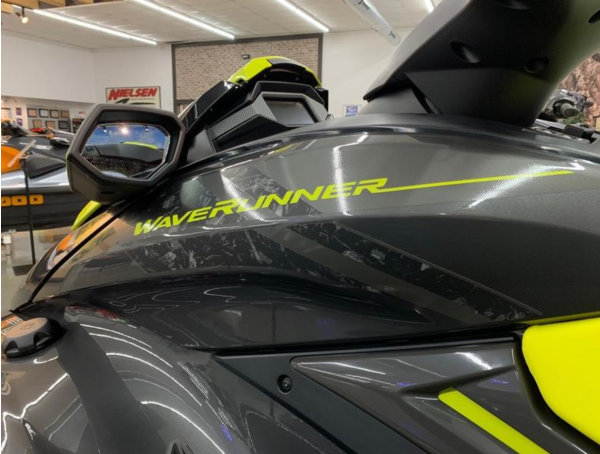
What affects the cost of PWC insurance?
| Factor | How it affects your premium |
|---|---|
| Ski value and type | Higher-value and high-performance skis cost more to insure |
| Engine power | Supercharged and high-horsepower skis usually cost more |
| Your experience and record | Clean boating and driving records lower premiums |
| Boating education | Completing a safety course can earn a discount |
| Where you ride and store | Location, theft risk and storage method matter |
| Coverage limits and deductible | Higher limits cost more; higher deductibles cost less |
| Usage | Frequent use or rental use affects the price |
Every insurer weighs these factors differently, which is why comparing quotes is so important. Read our guide to getting a jet ski insurance quote for a step-by-step process.
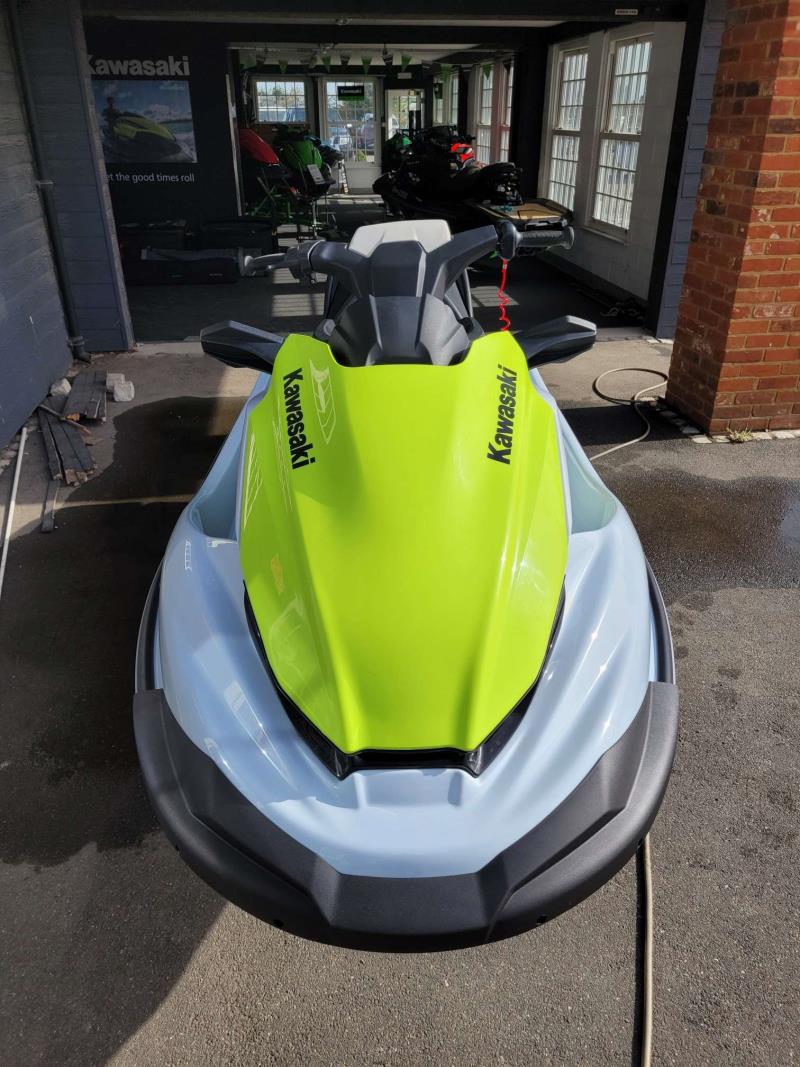
Agreed value vs. actual cash value
Physical damage coverage usually pays out in one of two ways. Understanding the difference is key when you compare jet ski insurance policies.
| Agreed value | Actual cash value | |
|---|---|---|
| How it works | You and the insurer agree the ski’s value when the policy starts | The insurer pays the market value at the time of the loss, after depreciation |
| Payout for a total loss | The agreed amount, minus the deductible | Current market value, minus the deductible |
| Premium | Usually higher | Usually lower |
| Best for | Newer or high-value skis | Older skis or tighter budgets |
For a new or nearly new ski, agreed value coverage gives more certainty. For an older ski, actual cash value may be enough and can save money.
8 ways to save on jet ski insurance
- Take a boating safety course. Many insurers offer discounts, and in California most operators need a Boater Card anyway.
- Choose a higher deductible. You pay more if you claim, but your premium drops.
- Bundle policies. Insuring your ski with your home or auto insurer can bring a multi-policy discount.
- Store it securely. A locked garage, trailer lock and hitch lock reduce theft risk.
- Fit safety and security features. Some insurers reward anti-theft devices and GPS trackers.
- Keep a clean record. Safe riding and driving keep premiums lower over time.
- Insure only for the season if allowed. Some insurers offer lay-up periods with reduced cover in winter.
- Compare quotes every year. Prices change, and loyalty does not always pay.
What jet ski insurance usually does not cover
Every policy has exclusions. Common ones include the following, but always check your own policy wording.
- Normal wear and tear, such as worn impellers and faded seats.
- Mechanical breakdown not caused by an insured event.
- Damage from lack of maintenance or improper storage.
- Using the ski for rental or commercial purposes without the right policy.
- Riding under the influence of alcohol or drugs.
- Allowing someone who is not permitted or qualified to operate the ski.
- Racing, unless specifically covered.
If you plan to lend your ski to friends or family, check who is covered. Some policies cover any permitted operator, while others only cover named riders.
How to make a jet ski insurance claim
- Make sure everyone is safe and get medical help if needed.
- Report accidents to the authorities where required.
- Take photos of the damage, the scene and any other vessels.
- Collect names and contact details of other people involved and witnesses.
- Contact your insurer as soon as possible.
- Keep receipts for emergency repairs, towing and medical costs.
- Follow your insurer’s instructions before starting major repairs.
In California, boating accidents that involve serious injury, death, disappearance or significant property damage must be reported. Check the current reporting rules so you know your obligations.
Insurance for new owners and financed skis
If you finance a new ski, your lender will usually require physical damage coverage and list itself on the policy. Arrange coverage before you collect the ski so you are protected from the moment it is yours. If you buy a used ski, insure it before your first ride, and update the policy if you add accessories or a trailer.
How much jet ski coverage do you need?
The right level of jet ski coverage depends on your ski, how you ride and what you can afford to lose. Start with liability limits high enough to protect your savings and home if you cause a serious accident. Injuries on the water can be expensive, so many owners choose higher limits than the minimum offered.
For physical damage, consider what it would cost to replace your ski. If losing it would be a financial shock, physical damage coverage is worth having. For an older, low-value ski, you might choose liability-only cover and accept the risk of damage yourself.
- New or financed ski: liability plus agreed value physical damage, medical payments and towing.
- Mid-value used ski: liability plus actual cash value physical damage.
- Older, low-value ski: liability coverage at a minimum.
- Frequent passengers: strong medical payments and liability limits.
Jet ski insurance for San Francisco Bay riders
Riding on the Bay brings particular risks: busy waterways, ferries and commercial traffic, strong currents, fog and cold water. Insurers may ask where you ride and store your ski. Be honest, as incorrect information can affect a claim.
Good safety habits also help keep claims away. Check the marine forecast before every ride, wear a U.S. Coast Guard-approved life jacket, attach the lanyard and keep well clear of large vessels. Most operators in California also need a California Boater Card, which many insurers value.
Insurance for two skis or a whole family
If you own more than one ski, ask about multi-ski discounts. Some insurers allow you to list several skis on one policy, which can simplify renewals and reduce costs. Check whether every family member who rides is covered, and whether there are age or experience requirements for operators.
If you are buying a pair of jet skis, get quotes for both together before you buy. The combined cost may influence which models you choose.
Reading a PWC insurance policy: what to look for
Insurance documents can be long and technical, but a few sections matter most. Spend time on these before you buy any PWC insurance policy.
- Declarations page: lists the insured ski, coverage types, limits, deductibles and premium.
- Covered operators: who is allowed to ride the ski under the policy.
- Navigation limits: where you can ride, such as inland waters or coastal areas.
- Lay-up period: months when the ski must be stored and coverage may change.
- Exclusions: situations the policy does not cover.
- Claims process: what to do and how quickly to report a loss.
If any part is unclear, ask the agent or insurer to explain it in plain language. Do not assume something is covered.
The real cost of riding uninsured
It can be tempting to skip jet ski insurance to save money, especially on an older ski. But consider the risks. A collision with another vessel can cause serious injuries and expensive damage. A passenger injury can lead to medical bills and legal claims. Theft can leave you with nothing to show for your purchase. Without coverage, you may be personally responsible for these costs.
For most owners, at least liability coverage is a sensible minimum. It is usually affordable compared with the potential costs of an accident, and it lets you ride with far more peace of mind.
Reducing risk on the water
The best way to keep premiums low is to avoid claims. Simple habits make a big difference.
- Ride at safe speeds, especially near other vessels and the shore.
- Keep a constant lookout, including behind you before turning.
- Never ride after drinking alcohol.
- Brief passengers and require life jackets for everyone.
- Avoid riding in poor visibility or rough conditions.
- Lock the ski and trailer when stored, and remove the key or lanyard.
Safe, careful riding protects people first, and it also helps keep your insurance record clean for years to come.
Questions to ask an insurance agent
A good agent will help you understand your options. Use these questions to get clear answers about jet ski coverage before you sign.
- What liability limits do you recommend for my situation, and why?
- Is physical damage paid on an agreed value or actual cash value basis?
- What is the deductible for each type of claim?
- Who is covered to operate the ski?
- Where am I allowed to ride under this policy?
- Is the trailer covered, and on what basis?
- Are towing and on-water assistance included?
- What discounts are available for boating courses, security devices or bundling?
- How do I make a claim, and how quickly must I report it?
- Are there any lay-up periods or seasonal restrictions?
Write down the answers and compare them across quotes. The cheapest premium is not always the best value if the coverage is thin or the claims process is difficult.
Keeping records for a smooth claim
If you ever need to claim, good records make the process much faster. Keep your purchase receipt, service records, photos of the ski and accessories, and a list of serial numbers in a safe place, including a copy stored online. Take fresh photos at the start of each season so you can show the ski’s condition if something happens later.
It also helps to keep receipts for upgrades such as audio systems, fish finders and custom seats. These may need to be declared to your insurer to be covered properly.
Reviewing your policy each year
Your needs change over time. You might add a second ski, upgrade to a more powerful model, buy a new trailer or move to a different area. Review your jet ski insurance every year before renewal, update the details and compare a few quotes. As your ski ages, you may also decide to adjust the physical damage coverage or deductible. A quick annual review keeps your protection accurate and your premium fair.
It is also a good moment to check your other policies. Make sure your auto insurance covers towing a trailer, and that your homeowners or renters policy reflects any accessories and gear you keep at home. Gaps between policies are where unexpected costs often appear, so a quick review across all of them is time well spent. If you are unsure how policies work together, ask your agent to walk you through a few common scenarios, such as theft from your driveway or damage while towing.
A clear picture of how your policies fit together means fewer surprises and faster help when you need it most.
Set a calendar reminder a month before renewal so you have time to compare.
Jet ski insurance FAQs
How much does jet ski insurance cost?
Costs vary widely based on the ski’s value and power, your history, where you ride and the coverage you choose. The only way to know is to get several quotes.
Does homeowners insurance cover a jet ski?
Some homeowners policies offer very limited cover for small watercraft, but it is often not enough for a jet ski. Check with your insurer and consider a dedicated PWC policy.
Does jet ski insurance cover passengers?
Medical payments and liability coverage can help when passengers are injured, depending on the policy. Check the details carefully.
Is my jet ski covered when it is on the trailer?
Physical damage coverage often protects the ski while trailered, but liability for towing accidents usually falls under your auto policy. Check both policies.
Can I get insurance for a used jet ski?
Yes. Insurers cover used skis, though the coverage options and value may depend on the ski’s age and condition.
Protect your ride with the right jet ski insurance
The right jet ski insurance protects you from the financial fallout of accidents, injuries, theft and damage. Start with strong liability coverage, add physical damage cover if losing your ski would hurt financially, and consider medical payments, towing and trailer coverage. Then compare quotes, ask about discounts and read the policy carefully.
Remember that insurance works best alongside safe riding and good maintenance. A well-maintained ski is less likely to break down, and a careful rider is less likely to have an accident. Together, they keep you on the water and your premiums under control.
Ready to buy a ski? At Hayling Jetsport in San Francisco, you can browse jet skis for sale from Sea-Doo, Yamaha and Kawasaki, plus trailers and safety accessories. We recommend arranging PWC insurance before you collect your ski, so you are covered from your very first ride. Questions about a model? Email sale@haylingjetsport.org.
Please note that this article is general information only. Insurance products, prices and regulations change, so always confirm details with a licensed insurance professional and read your policy documents carefully before you buy.
Leave a Reply