A Yamaha supercharged jet ski is one of the most exciting machines on the water. Yamaha’s supercharged SVHO engine delivers fierce acceleration and a high top speed, and it powers some of the brand’s most desirable WaveRunners. Whether you want luxury touring with serious punch or a race-inspired performance ski, there is a supercharged WaveRunner for you.
In this guide, we explain how the Yamaha SVHO engine works, compare the supercharged FX and GP models, cover running costs and maintenance and share eight facts every buyer should know. Specifications change by model year, so check the official Yamaha WaveRunners website for the latest details.
What is the Yamaha SVHO engine?
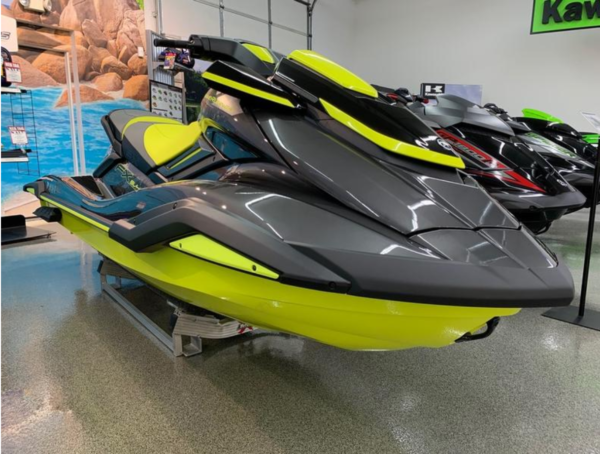
SVHO stands for Super Vortex High Output. It is Yamaha’s supercharged 1.8-liter four-cylinder marine engine. A supercharger forces more air into the engine, allowing it to burn more fuel and produce much more power than the naturally aspirated 1.8-liter HO engine. The result is stronger acceleration, a higher top speed and a thrilling ride.
Which WaveRunners have a Yamaha supercharged engine?
| Model family | Type | Best for |
|---|---|---|
| FX SVHO | Premium touring | Comfort with serious power |
| FX Cruiser SVHO | Premium touring with cruiser seat | Long rides and passengers in comfort |
| FX Limited SVHO | Flagship touring | Riders who want every feature |
| GP SVHO | Performance | Speed, handling and racing |
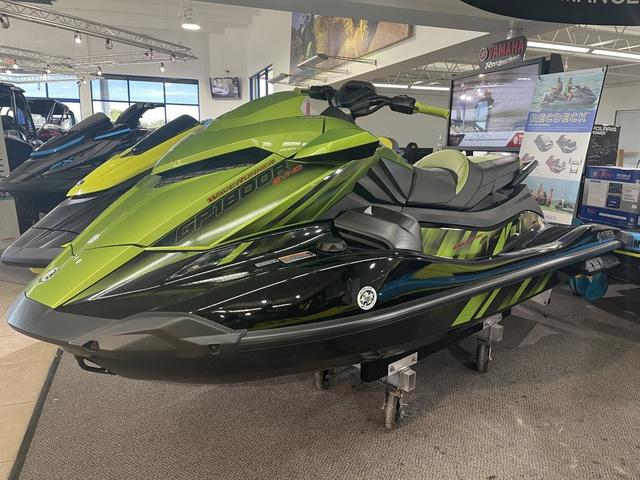
The FX models combine supercharged power with a large, stable touring hull and premium comfort. The GP focuses on performance, with a race-inspired hull designed for sharp cornering and high-speed stability.
8 amazing facts about the Yamaha supercharged jet ski
1. It is Yamaha’s most powerful engine
The SVHO sits at the top of Yamaha’s engine lineup, above the TR-1 and HO engines.
2. Acceleration is the big difference
The supercharger delivers strong mid-range and top-end power, so the ski pulls hard from low speed to high speed.
3. It works in touring and performance hulls
You can choose comfort-focused FX models or the sporty GP, depending on how you ride.
4. RiDE makes it easier to control
Yamaha’s RiDE dual-throttle system lets you brake and reverse with control, which is reassuring on a powerful ski.
5. Speed-limiting modes help new riders
Many SVHO models offer modes that limit speed or acceleration, useful when lending the ski or learning its power.
6. Fuel use is higher
More power means more fuel, especially when you ride hard. Plan fuel stops on long trips.
7. Maintenance needs are greater
Supercharged engines have extra service requirements. Follow the owner’s manual closely and use an experienced dealer.
8. It holds its appeal
Supercharged WaveRunners are always in demand with performance and touring enthusiasts, which supports resale value when the ski is well maintained.
FX SVHO vs. GP SVHO
| FX SVHO | GP SVHO | |
|---|---|---|
| Focus | Touring comfort and power | Performance and handling |
| Hull | Large, stable touring hull | Race-inspired performance hull |
| Ride feel | Plush and planted | Sharp and aggressive |
| Passengers | Very comfortable for three | Better for solo or two riders |
| Best for | Long rides, rough water, families who want power | Speed fans and experienced riders |
If you want a supercharged waverunner that is comfortable for long days with passengers, the FX SVHO family is the natural choice. If your priority is speed and cornering, the GP SVHO is built for you. Read our Yamaha WaveRunner comparison for more on the FX and GP families.
SVHO vs. HO: do you need supercharged power?
The naturally aspirated 1.8-liter HO engine is strong and smooth, and many riders find it more than enough. The SVHO adds a significant step up in acceleration and top speed, but it also raises the purchase price, fuel use, insurance costs and maintenance requirements.
- Choose HO if: you mostly cruise, tow occasionally and want lower running costs.
- Choose SVHO if: you want maximum performance, ride on big open water or simply love speed.
Test riding both is the best way to decide. Many riders are surprised by how strong the HO feels, while others fall for the SVHO the moment they squeeze the throttle.
Running costs of a Yamaha supercharged jet ski
| Cost area | What to expect |
|---|---|
| Purchase price | Higher than HO and TR-1 models |
| Fuel | Higher, especially at high speed |
| Insurance | Higher due to power and value |
| Servicing | More frequent and specialized, including supercharger checks |
| Resale | Strong for well-maintained skis |
Budget for these costs before you buy. Read our jet ski insurance quote guide to estimate insurance, which can vary widely for high-performance skis.
Maintaining the SVHO engine
Supercharged engines work harder than naturally aspirated engines, so maintenance matters even more. Always follow the schedule in your owner’s manual, and use a dealer experienced with the Yamaha SVHO.
- Change oil and filter at the specified intervals using the recommended oil.
- Follow the manual’s schedule for supercharger inspection and service.
- Flush the cooling system after every salt water ride.
- Inspect the intake, impeller and wear ring regularly.
- Keep the battery healthy, as electronics play a big role in engine management.
- Winterize properly before long storage.
Regular maintenance protects performance, reliability and resale value. Read our jet ski repair near me guide for tips on choosing a service provider.
Riding a supercharged WaveRunner safely
Power demands respect. Learn the ski in open, calm water, use speed-limiting modes at first and build up gradually. Keep a careful lookout, especially behind you before turning, and give other vessels, swimmers and paddlers plenty of room. Brief passengers before you set off, and avoid sudden throttle changes with others on board.
In California, PWC operators must be at least 16 and generally need a California Boater Card. Every rider must wear a U.S. Coast Guard-approved life jacket, and the operator must attach the lanyard.
Buying a used Yamaha supercharged jet ski
A used Yamaha supercharged jet ski can offer incredible performance for the money, but it needs careful inspection. Supercharged skis are often ridden hard, and skipped maintenance can lead to expensive repairs.
- Ask for complete service records, including supercharger service.
- Check engine hours and how the ski was used.
- Inspect for salt water corrosion in the engine bay.
- Look for signs of modifications or tuning.
- Check the hull, intake and pump for damage.
- Take a water test and watch for warning lights or unusual noises.
- Consider a professional pre-purchase inspection.
If the seller cannot show supercharger service history, walk away or factor the cost of a full service into your offer. Our used jet ski inspection checklist covers every step.
Is a Yamaha supercharged jet ski right for you?
A Yamaha supercharged jet ski is ideal if you want thrilling acceleration, ride often on big open water and are happy to budget for higher running costs and careful maintenance. It is less ideal for first-time riders, budget-conscious buyers or anyone who mostly cruises slowly with family. For those riders, a Yamaha HO or TR-1 model may be a better fit. Read our Yamaha jet ski guide to compare the whole range.
The supercharged WaveRunner on San Francisco Bay
On the Bay, a supercharged FX’s large hull and power make it a confident choice in chop, and long crossings feel effortless. The GP SVHO is thrilling on calm mornings but rewards experience when the wind builds. Always check the marine forecast and tide predictions, plan around strong ebb tides near the Golden Gate and keep well clear of ferries and shipping.
How a supercharger works
A supercharger is a compressor driven by the engine. It pushes extra air into the cylinders, and with more air the engine can burn more fuel and make more power. Unlike a turbocharger, which uses exhaust gases, a supercharger is mechanically driven, so it delivers boost quickly and smoothly as engine speed rises. In a Yamaha supercharged jet ski, this means strong, immediate response when you squeeze the throttle.
Because the supercharger spins at very high speed and works under load, it needs proper lubrication, clean intake air and regular inspection. That is why the SVHO has specific service requirements in the owner’s manual, and why buying from a seller with full records matters so much.
Getting to know the power
If you are new to a supercharged WaveRunner, spend your first rides learning how it responds. Start in a speed-limited mode if available, and practice gentle acceleration, smooth turns and controlled stops with RiDE. Increase power gradually as you become comfortable. Pay attention to how the ski behaves in chop at speed, and always leave extra space around other vessels.
With passengers aboard, ride more gently than you would alone. Strong acceleration can catch people off guard, so warn them before speeding up and keep turns smooth. A thoughtful rider makes a powerful ski enjoyable for everyone.
Accessories for supercharged skis
- A high-quality trailer rated for the ski’s weight.
- A custom cover to protect premium finishes and electronics.
- A spare lanyard and basic tool kit.
- A VHF radio for longer, faster trips.
- Riding gloves and eye protection for high-speed comfort.
These essentials make ownership safer and help protect your investment.
Comparing the Yamaha supercharged jet ski with rivals
Yamaha is not the only brand offering supercharged power. Sea-Doo’s top RXP-X, RXT-X and GTX models use supercharged Rotax engines, while Kawasaki’s Ultra 310 uses a supercharged 1.5-liter engine. Each brand has its own character.
| Yamaha SVHO | Sea-Doo supercharged | Kawasaki Ultra 310 | |
|---|---|---|---|
| Focus | Smooth, refined power | Innovation and aggressive handling | Big hull and huge power |
| Control system | RiDE | iBR | KIBS |
| Touring option | FX SVHO | GTX | Ultra 310LX |
| Performance option | GP SVHO | RXP-X | Ultra 310X |
Many buyers test ride all three before choosing. Read our Sea Doo GTX review and Kawasaki jet ski guide to compare the alternatives with the Yamaha SVHO range.
Who buys a Yamaha supercharged jet ski?
Owners tend to fall into two groups. Touring enthusiasts choose the FX SVHO because it combines luxury comfort with effortless power for long rides, towing and rough water. Performance enthusiasts choose the GP SVHO for its sharp handling, racing heritage and thrilling acceleration. Both groups share a love of power and a willingness to look after their skis carefully.
If you see yourself in either group and you are ready for the extra running costs, a Yamaha supercharged jet ski will deliver an experience few other skis can match.
Protecting resale value
Supercharged WaveRunners hold their appeal, but only when they are well cared for. Keep every service record, especially supercharger service, store the ski under a cover, flush after salt water rides and avoid unnecessary modifications. When it is time to sell, a documented, unmodified supercharged waverunner will attract confident buyers and command a strong price.
Planning long trips on a powerful ski
A supercharged touring ski makes long trips across open water fast and comfortable, but power and range need planning. At high speed, fuel use climbs quickly, so plan your route with fuel stops in mind and follow the rule of thirds: one third of your fuel out, one third back and one third in reserve. Ride with another ski where possible, carry a VHF radio and a phone in a waterproof case, and tell someone on shore your plan and expected return time.
Check the weather and tides carefully before setting out. On San Francisco Bay, afternoon winds and strong currents can make conditions change quickly, and a fast ski can carry you a long way from your launch in a short time. Keep an eye on the sky, the water and your fuel gauge, and turn back early if conditions worsen.
Comfort at speed
Riding fast for long periods is tiring, even on a comfortable touring hull. Wear gloves to reduce hand fatigue, use sunglasses with a strap and dress for spray and cold water. Take short breaks every hour to stretch, drink water and check your passengers are comfortable. Cruise control, where fitted, helps on long straight stretches.
These simple habits make a big difference to how much you enjoy a long day on a powerful ski, and they keep you sharp and safe all the way back to the ramp.
Test riding a supercharged WaveRunner
If you have the chance to test ride a Yamaha supercharged jet ski, make the most of it. Start in a calm, open area and get a feel for the throttle before trying full power. Notice how the ski accelerates from low speed, how it behaves in turns at moderate speed and how stable it feels at higher speeds. Try RiDE for slow-speed control and reverse, and pay attention to comfort in the seat after twenty minutes or more.
If possible, ride an HO model on the same day for comparison. Many buyers find the difference eye-opening, while others decide the HO already offers everything they need. Either way, a back-to-back test ride is the best way to make a confident decision about whether supercharged power is right for you.
Final thoughts
Supercharged power transforms a WaveRunner from quick to genuinely exhilarating. Paired with Yamaha’s refined hulls and RiDE control, it creates a ski that can cruise in comfort or sprint across open water. Choose wisely between FX and GP, budget sensibly and maintain the engine carefully, and you will enjoy every moment on the water.
Before you commit, talk to current owners if you can. Local riding groups and online communities are full of people who own SVHO-powered skis and are happy to share their experiences with fuel use, servicing, reliability and the sheer fun of riding. Their real-world insight will help you set realistic expectations and choose the model, trim and dealer that suit you best. Many owners also have tips on the best local routes for enjoying the power safely.
Write down the questions you want answered before speaking to owners or dealers, such as typical fuel use on a day trip, the cost of a supercharger service and how the ski handles chop. Clear answers will help you budget accurately and buy with confidence.
Good preparation turns an exciting purchase into a rewarding long-term ownership experience.
Yamaha supercharged jet ski FAQs
What does SVHO stand for?
SVHO stands for Super Vortex High Output, Yamaha’s supercharged 1.8-liter engine.
Is a supercharged WaveRunner reliable?
Yes, when it is maintained according to Yamaha’s schedule. Skipping supercharger service or oil changes can lead to problems.
Is the GP SVHO good for beginners?
It can be ridden with speed-limiting modes, but beginners will usually be more comfortable on a less powerful model.
How much more fuel does the SVHO use?
Fuel use depends on how you ride. At cruising speeds the difference is moderate, but riding hard uses noticeably more fuel than the HO engine.
Which is better: FX SVHO or GP SVHO?
Choose the FX SVHO for comfort, passengers and rough water. Choose the GP SVHO for speed and sharp handling.
Find your supercharged WaveRunner
If you crave power, a Yamaha supercharged jet ski delivers it in style. Choose the FX for supercharged comfort or the GP for pure performance, budget for running costs and look after the SVHO engine carefully. Do that, and you will enjoy one of the most exciting rides on the water.
At Hayling Jetsport in San Francisco, you can browse Yamaha WaveRunners for sale, including supercharged models when available, and add a trailer and accessories to the same order. Questions about the Yamaha SVHO range? Email sale@haylingjetsport.org.
Leave a Reply