A good jet ski cover is one of the cheapest ways to protect one of your most expensive toys. Sun, rain, dust, salt spray, bird droppings and falling leaves all take a toll on your seat, deck, display and engine bay. A quality cover keeps the ski clean, protects it from UV damage and helps it look newer for longer.
In this guide, we compare the main types of jet ski covers, explain the materials and features that matter, and show you how to fit and care for your PWC cover so it lasts for many seasons.
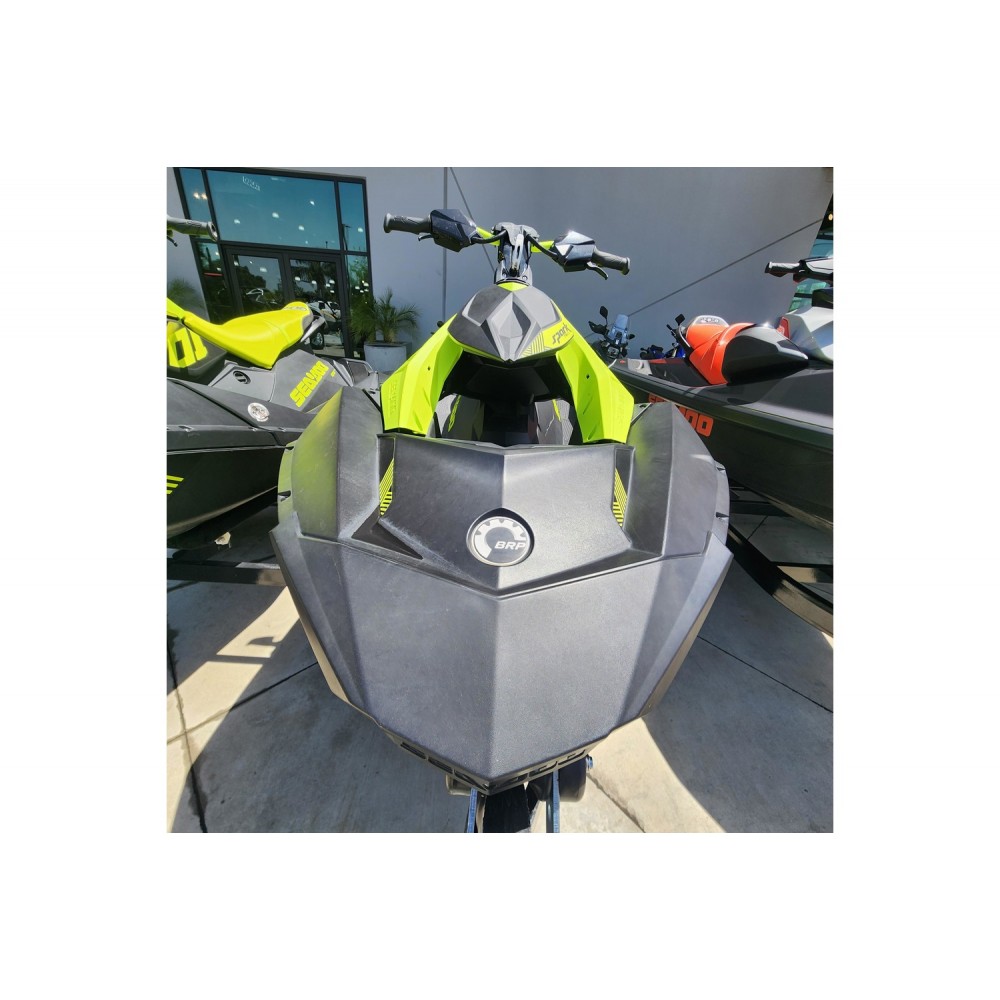
Why every ski needs a cover
- UV protection: sunlight fades colors and cracks seats and plastics.
- Keeps it clean: blocks dust, pollen, leaves and bird droppings.
- Protects electronics: shields displays and controls from sun and rain.
- Reduces water ingress: helps keep rain out of storage and the engine bay.
- Deters theft and tampering: a covered ski draws less attention.
- Protects on the road: trailerable covers keep road grime off during towing.
- Preserves resale value: a ski that looks new sells for more.
Types of jet ski covers
| Type | Description | Best for |
|---|---|---|
| Custom fit | Made for a specific make, model and year | The best fit, protection and appearance |
| Semi-custom | Fits a range of similar-sized skis | Good fit at a lower price |
| Universal | Sized by length, fits many skis | Budget buyers and older skis |
| Trailerable | Designed to stay on while towing | Riders who tow often |
| Storage only | Lighter covers for garages or long-term storage | Indoor or seasonal storage |
For most owners, a custom-fit, trailerable jet ski cover is the best choice. It fits snugly, stays secure at highway speeds and protects the ski at home.
9 essential features of the best jet ski cover
1. The right fit
A cover that fits properly protects better, looks better and lasts longer. Loose covers flap in the wind, which wears the fabric and can scratch the ski.
2. UV-resistant fabric
Look for solution-dyed or UV-treated fabrics that resist fading and breakdown in the sun.
3. Water resistance with breathability
A good cover sheds rain but still lets moisture escape. A fully waterproof, non-breathable cover can trap moisture and encourage mildew.
4. Vents
Built-in vents release moisture and reduce wind lift, especially while towing.

5. Strong straps and buckles
Adjustable straps that pass under the hull or attach to the trailer keep the cover secure in wind and on the road.
6. Elastic hem
An elastic hem helps the cover hug the hull and stay in place.
7. Reinforced wear points
Extra layers at the handlebars, mirrors and other pressure points prevent rubbing and tears.
8. Soft lining in key areas
Soft lining near the windscreen or display protects delicate surfaces from scratches.
9. Storage bag
A storage bag keeps the cover clean and compact when you are riding.
Jet ski cover materials compared
| Material | Strengths | Considerations |
|---|---|---|
| Polyester (coated) | Affordable, lightweight, water resistant | Less UV resistant than premium fabrics |
| Solution-dyed polyester | Excellent fade resistance, durable | Costs more |
| Marine canvas | Very durable, breathable | Heavier and more expensive |
| Lightweight fabrics | Easy to fit and store | Best for indoor or short-term use |
If your ski lives outdoors in the sun, invest in a solution-dyed or marine-grade fabric. If it is stored in a garage, a lighter cover may be enough to keep dust off.
How to fit a jet ski cover
- Make sure the ski is clean and dry, especially the seat and engine bay.
- Remove the lanyard and any loose items.
- Unfold the cover and find the front marker or label.
- Place the cover over the bow first, then pull it back over the handlebars and seat.
- Tuck the elastic hem under the hull edges.
- Fasten the straps under the hull or to the trailer, and tighten them evenly.
- Check that vents are open and the cover sits smoothly without flapping.
With practice, fitting a cover takes less than a minute. A good fit is quick to put on, which means you will actually use it after every ride.
Towing with a jet ski cover
Not every cover is designed for highway towing. A non-trailerable cover can balloon, flap and tear at speed, and it may even blow off. If you tow with the cover on, choose a trailerable model with strong straps and vents. Before you drive, check that all straps are tight and secure. Stop after a few miles to check again.
If your cover is not trailerable, remove it and stow it before towing. You can also use a simple seat cover while towing to protect the seat from sun and road grime. Read our jet ski trailer guide for more towing tips.
Caring for your PWC cover
- Rinse the cover with fresh water to remove salt, dirt and bird droppings.
- Use mild soap only; harsh chemicals can damage coatings.
- Let it dry fully before folding and storing.
- Store it in its bag in a dry place.
- Re-treat with a fabric protector if water stops beading.
- Repair small tears quickly before they spread.
With proper care, a quality jet ski cover can last for several seasons, even in the sun.
Indoor vs. outdoor storage
If you store your ski in a garage, a lightweight, breathable cover keeps dust and pests off. Outdoors, you need a heavier, UV-resistant cover with strong straps. For long-term outdoor storage, make sure water cannot pool on top of the cover, and check it regularly after storms and wind.
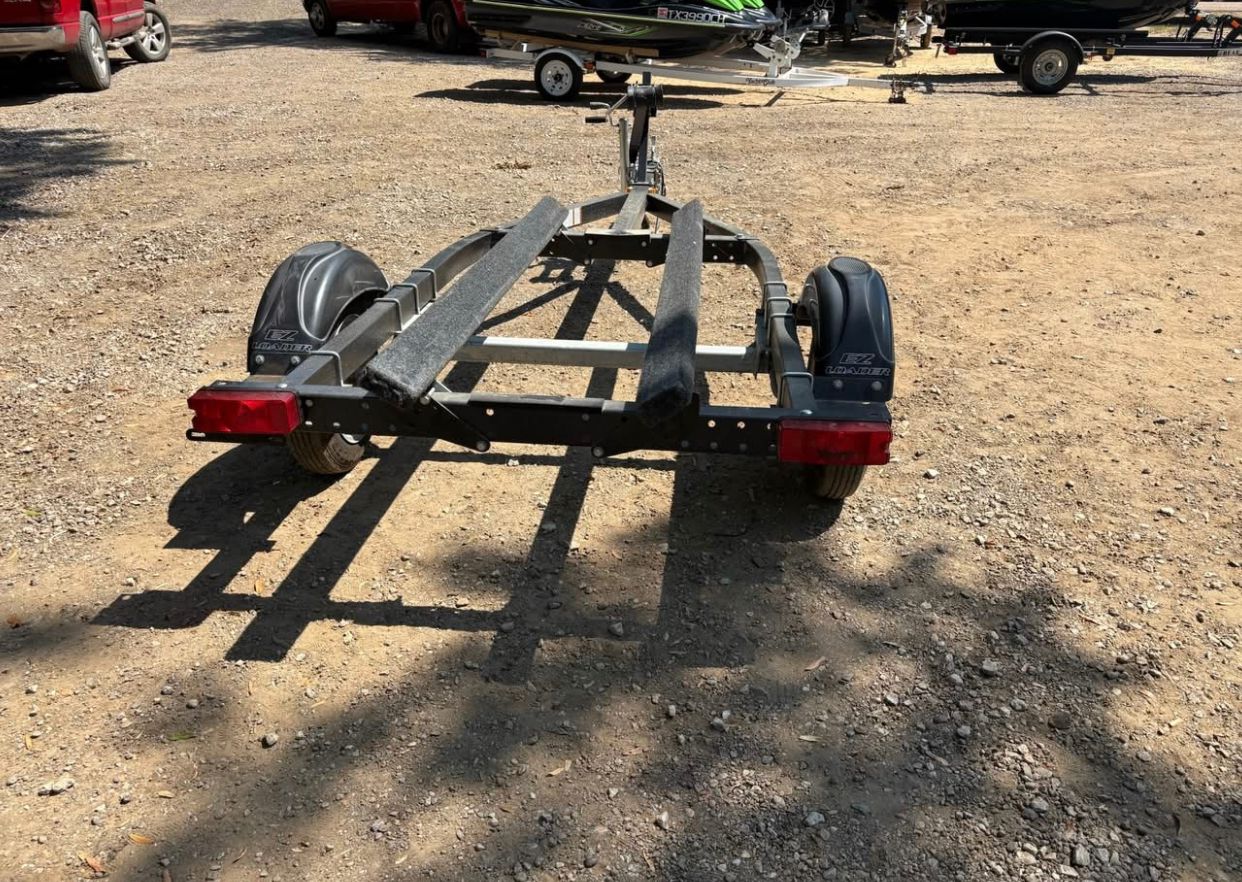
Choosing a cover for San Francisco Bay conditions
Bay Area riders face a mix of strong sun, salty air, coastal fog and windy afternoons. A cover that works well here should be UV resistant, breathable enough to release moisture from fog and spray, and secure enough to stay put in strong wind. Vents and multiple straps are especially useful. Rinse the cover regularly to remove salt crystals that can wear the fabric over time.
Mistakes to avoid with jet ski covers
- Covering a wet ski, which traps moisture and can cause mildew and odors.
- Using a non-trailerable cover on the highway.
- Leaving straps loose so the cover flaps and wears.
- Choosing a cover that is far too big or too small.
- Letting water pool on top of the cover.
- Forgetting to remove the cover before starting the engine.
Avoiding these simple mistakes helps your cover and your ski last much longer.
Other ways to protect your ski
A cover is just one part of protecting your ski. Store it out of direct sun when possible, use a lift or drive-on port if it lives at a dock, rinse and flush it after every salt water ride and keep it on a properly adjusted trailer. Seat covers, display covers and protective films for high-wear areas add extra protection. Read our guides to the jet ski lift and jet ski dock for more ideas.
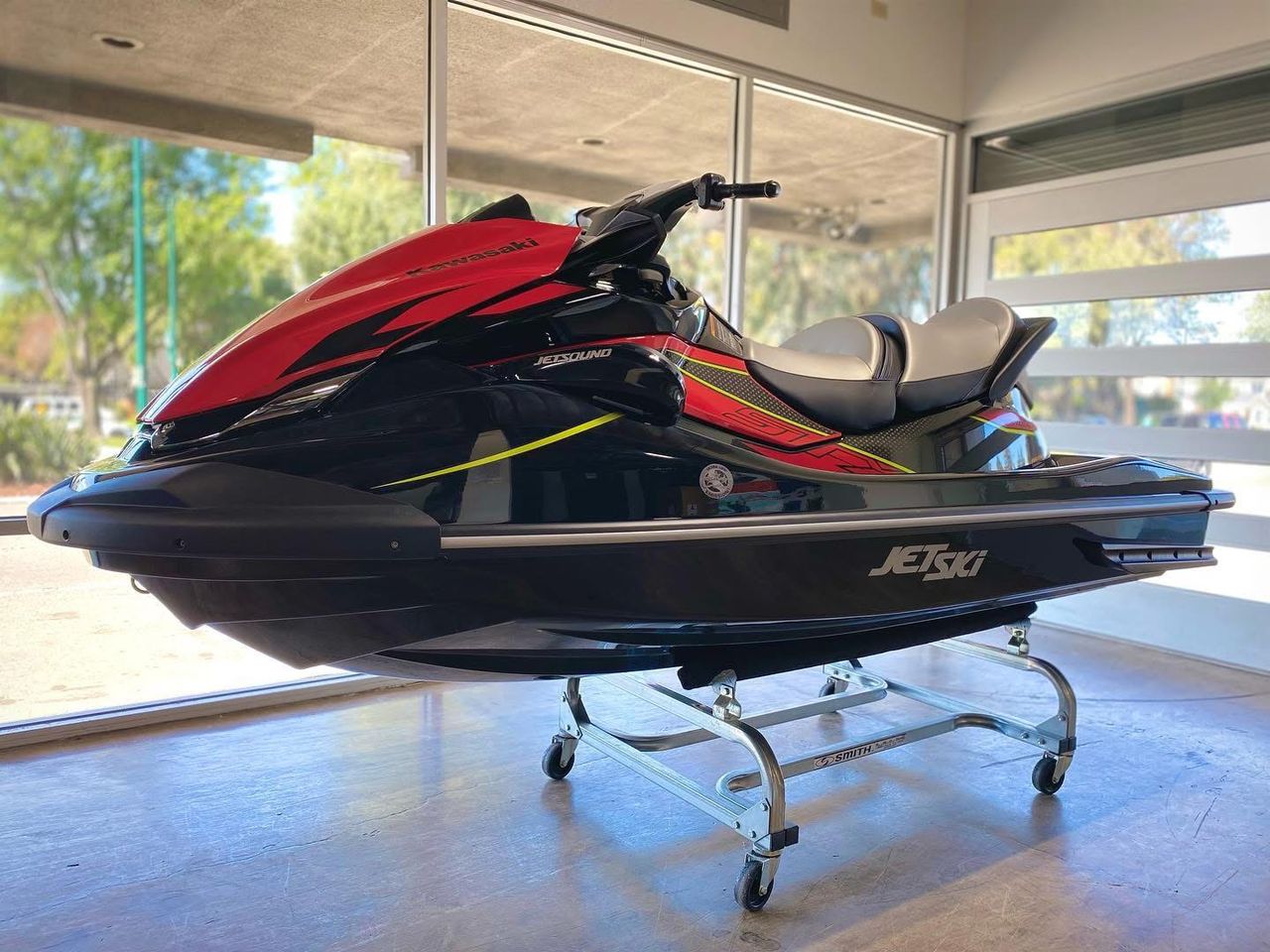
How sun damages an uncovered ski
It is easy to underestimate how much damage the sun can do. Ultraviolet light breaks down plastics, vinyl and paint over time. Seats become hard and cracked, colored panels fade, decals peel and rubber parts dry out. Displays and switches can become brittle or cloudy. In warm, sunny climates, an uncovered ski can show visible fading within a single season.
The EPA publishes daily UV index forecasts, which show how strong the sun is where you store your ski. Heat is another problem. A ski sitting in direct sun can get very hot, especially the seat and engine bay. Heat speeds up the aging of batteries, hoses and seals. A cover keeps temperatures lower and protects the materials that are most expensive to replace.
What to look for when buying online
Many owners buy covers online, which makes choosing the right size especially important. Before you order, check the exact make, model and year of your ski, and confirm whether it has accessories that change its shape, such as mirrors, a tow pylon or a rear cooler. Measure the ski’s length if you are buying a universal cover.
- Read the product description for the exact models covered.
- Check whether the cover is trailerable.
- Look at photos of the cover fitted to a ski.
- Read reviews about fit, durability and how well it stays on.
- Check the warranty and return policy.
If the ski has aftermarket additions, ask the seller whether the cover will still fit, or choose a slightly larger semi-custom option.
Seasonal cover tips
In summer, fit the cover after every ride to block UV and keep the seat cool. During the wet season, make sure the cover sheds rain and check that water is not pooling. For long winter storage, clean and dry the ski thoroughly first, add moisture absorbers in the storage compartments if needed, and use a breathable cover. Check under the cover every few weeks for moisture, pests or damage.
Covers for different types of skis
Different skis have different shapes, and that affects which cover works best. Recreation skis like the Sea-Doo Spark and Yamaha EX are compact, so covers are lighter and easier to fit. Touring skis such as the Sea-Doo GTX, Yamaha FX and Kawasaki Ultra are larger, with mirrors, tall handlebars and stepped seats, so they need bigger covers with reinforced pressure points. Stand-up skis have their own unique shapes and often use specific covers or simple deck covers.
Fishing skis with rear coolers, rod holders and electronics need covers designed to fit around these accessories, or a combination of a ski cover and separate cooler cover. If you add accessories later, check that your cover still fits.
Matching covers with other protection
For the best protection, combine a quality cover with other good habits. Rinse and dry the ski after each ride, especially after salt water. Keep the engine bay ventilated for a while before covering. Store the ski on a trailer with properly adjusted bunks, and lock the trailer and hitch. If the ski is stored outdoors, choose a shaded spot and position it so rain runs off the cover rather than pooling.
Budget vs. premium covers
Budget covers can work well for indoor storage or occasional use, but they may fade and tear more quickly outdoors. Premium covers cost more but use stronger, more UV-resistant fabrics, better stitching and stronger straps. When you consider how much a replacement seat or faded panels cost, a premium cover often pays for itself over a few seasons.
When to replace your jet ski cover
Even the best jet ski cover wears out eventually. Replace it when you see these signs.
- The fabric has faded badly or feels brittle.
- Water no longer beads on the surface, even after re-treating.
- There are tears, holes or worn seams.
- Straps, buckles or the elastic hem have failed.
- Mildew stains or odors will not clean out.
A worn jet ski cover can do more harm than good if it flaps, traps moisture or lets water pool on the ski. Replacing it promptly keeps your protection working.
A simple routine for using your PWC cover
The best jet ski cover is the one you actually use. Build it into your routine: after each ride, rinse the ski, open the seat to let the engine bay air out, then fit the cover once everything is dry. Before towing, check that a trailerable cover is tight and secure, or remove it and stow it. At home, glance at the cover after windy days or storms to make sure it is still in place.
This routine takes only a few minutes, but it protects your seat, deck, electronics and engine bay every single day. Over a few seasons, the difference between a covered and uncovered ski is easy to see, both in appearance and in resale value. A well-cared-for ski under a good jet ski cover will always attract more buyers when it is time to upgrade.
Covers and security
A cover also adds a layer of security. A covered ski hides valuables, displays and accessories from view, which makes it a less tempting target. Some covers include lockable straps or loops for a cable lock, so you can secure the cover and the ski to the trailer. Combined with a trailer lock and hitch lock, a good jet ski cover helps protect your investment wherever it is stored.
If you store your ski in a shared yard or marina, label your cover with your contact details on the inside, and take a photo of the ski with the cover on for your insurance records. Small steps like these make it easier to recover your property if anything goes wrong, and many insurers appreciate owners who take security seriously.
Final tips for choosing jet ski covers
- Match the cover to your exact model wherever possible.
- Choose trailerable designs if you tow often.
- Pick UV-resistant, breathable fabric for outdoor storage.
- Look for vents, strong straps and reinforced wear points.
- Care for the cover and replace it when it wears out.
Follow these tips and your PWC cover will give you years of reliable protection.
Cleaning under the cover
Every few weeks, take the cover off and give the ski a proper clean, even if it has not been ridden. Wipe down the seat with a vinyl cleaner and protectant, clean the display with a soft cloth, and check the storage compartments for moisture. Look for signs of pests, such as nests or droppings, especially if the ski is stored outdoors. A quick inspection keeps small problems from becoming big ones and ensures the ski is ready whenever you want to ride.
Shake the cover out and let it air in the sun for an hour before refitting. This removes trapped dust and moisture and helps the fabric stay fresh, so your cover keeps protecting the ski as well as it did on the first day.
A clean cover on a clean ski is the simplest recipe for a ski that still looks new years later.
Jet ski cover FAQs
Do I need a cover if my ski is stored indoors?
A lightweight cover still helps by keeping dust, pests and scratches off the ski.
Can I tow with my jet ski cover on?
Only if it is designed to be trailerable and properly secured. Otherwise, remove it before towing.
How long does a jet ski cover last?
It depends on the material, sun exposure and care. Quality covers often last several seasons with good care.
Should I buy a custom or universal cover?
Custom covers fit best and protect best. Universal covers are cheaper and work well for older or less common skis.
How do I stop my cover from blowing off?
Choose a cover with strong straps and an elastic hem, tighten all straps evenly and use vents to reduce wind lift.
Protect your ski with the right jet ski cover
A quality jet ski cover is a small investment that protects your ski from sun, weather, dirt and wear. Choose a custom or semi-custom fit, a UV-resistant and breathable fabric, strong straps and vents. Fit it after every ride, care for it properly and your ski will look better and last longer.
At Hayling Jetsport in San Francisco, you can browse jet ski accessories, trailers and jet skis for sale. Need help choosing a PWC cover for your model? Email sale@haylingjetsport.org and we will help you find the right fit.
Leave a Reply